
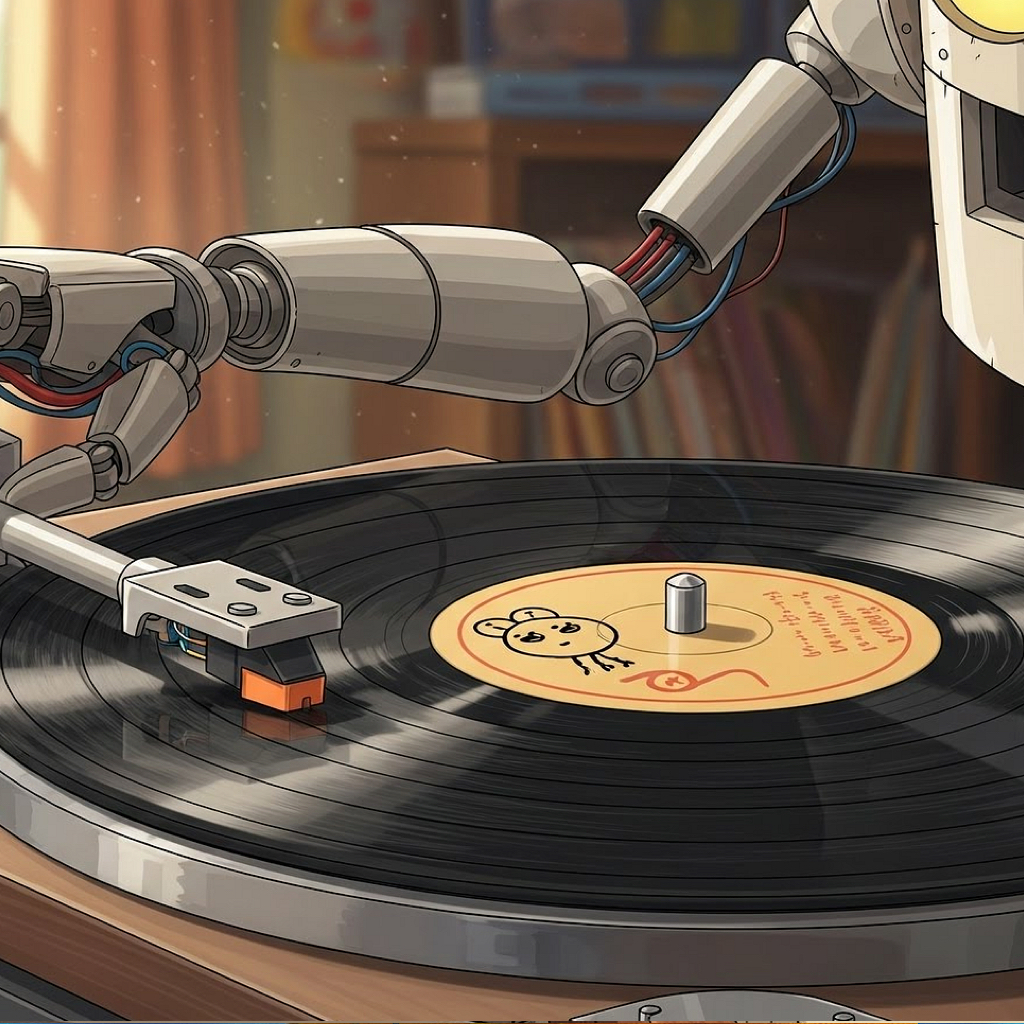
AI, Anime, and the Pursuit of Human Soul
AI can now generate a scene with precision that would make a seasoned director blink. It can layer lighting, choreograph motion, and imagine narratives about heartbreak, cosmic love, or neon-lit streets in cities it has never visited. Press a button and suddenly a video appears. Sometimes it is dazzling. Sometimes it feels like a slightly overenthusiastic intern directing characters who have only read scripts and never lived them. AI can be more precise than a human ever could, but the question is not whether it can create. The question is whether it can capture the soul of a story, and how humans shape that precision into emotion and meaning.
Filmmakers who use AI talk in shades rather than extremes. Some love the speed and surprise. AI can break creative blocks, sketch rough sequences, or suggest combinations no human might imagine. Others remain cautious and uneasy. They worry about authorship, emotional authenticity, and whether the machine’s perfection slowly erodes the unpredictable spark that defines real storytelling. Nobody is quite ready to hand the stage to a robot. The AI is not a replacement. It is a collaborator. And it becomes more human than human only when human taste, intuition, and emotional logic guide it.
Anime offers a perfect illustration. A single drawn line can express terror, joy, or longing more clearly than a thousand frames of live-action. Time stretches or compresses, colors and shadows bend to the emotional weight of a moment. The exaggeration is deliberate, yet it resonates because it mirrors internal human experience. AI can replicate that style convincingly, the flickering light, the dramatic pause, the impossible perspective, but without a human guiding intention, it risks producing something technically perfect but emotionally hollow. Humans decide which moments linger, which silences breathe, which exaggerated expressions feel alive.
Our perception of storytelling is fragile. Knowing that a scene is machine-made often reduces appreciation. Remove that label, and we respond to it just as we would a human-directed work. Context shapes our emotional reception just as much as the imagery itself. This is where surrealism thrives. AI throws strange juxtapositions, impossible camera angles, and uncanny sequences at the human eye. Humans curate meaning from the chaos. The machine can be flawless, but humans give it soul.
Use AI carelessly and sequences become polite, technically perfect, and emotionally anonymous. They are like a theater lobby that never ends. Pleasant, inoffensive, stuck at twenty-two degrees, smelling faintly of lemon polish and ambition. Nothing is wrong, yet nothing is memorable. You would not laugh there, cry there, fall in love there, or accidentally change your life. You would simply wait for the elevator. Stay long enough and a strange fatigue sets in. Not irritation, not boredom, but a soft neurological fog. The eyes keep watching but nothing sticks. The danger is not overload. The danger is numbness.
AI is fast, efficient, and precise. Humans are messy, emotional, and meaning-driven. Put them together thoughtfully and something extraordinary happens. The machine becomes a sketch partner, a provocation engine, a mirror reflecting your habits back at you. Its precision can be more human than human, yet only humans can give it soul. The opportunity is thrilling. AI can expand curiosity, open doors, and help creators explore strange and unfamiliar terrain. But humans must remain at the helm, making choices, taking risks, and ensuring the story retains its capacity to surprise, move, and matter.
And yes, sometimes that human process involves coffee. One cup fuels observation, one slightly judgmental second cup fuels reflection, and maybe a third fuels the courage to leave perfection behind and embrace imperfection. AI can imitate the motion, but meaning still takes time, mistakes, rehearsal, memory, and a human willing to care. That is the lesson we need. The tools will change, the technology will grow, but our responsibility to authentic storytelling, human emotion, and creative courage remains.
Author’s Note
This piece was written with caffeine and curiosity in equal measure, and no help from machines claiming to understand what it feels like to live in an anime close-up, where a single tear can carry the weight of a thousand words. That said, I do use AI. It sometimes surprises me. Sometimes it is aggressively beige. Sometimes it even tries to act like it remembers you, buffering memories and stitching together past “experiences” so it can give you a perfectly tailored emotional hit. But of course, it doesn’t really remember. It simulates memory. It fakes nostalgia. It assembles “personal experience” from data points. And that’s exactly why nothing, not even a perfectly calculated machine, can replace the delight of a human pause, a perfectly imperfect cut, or the quiet satisfaction of telling a story that only a human could care enough to remember and feel.


Leave a Reply to © Barry Ashworth Cancel reply