
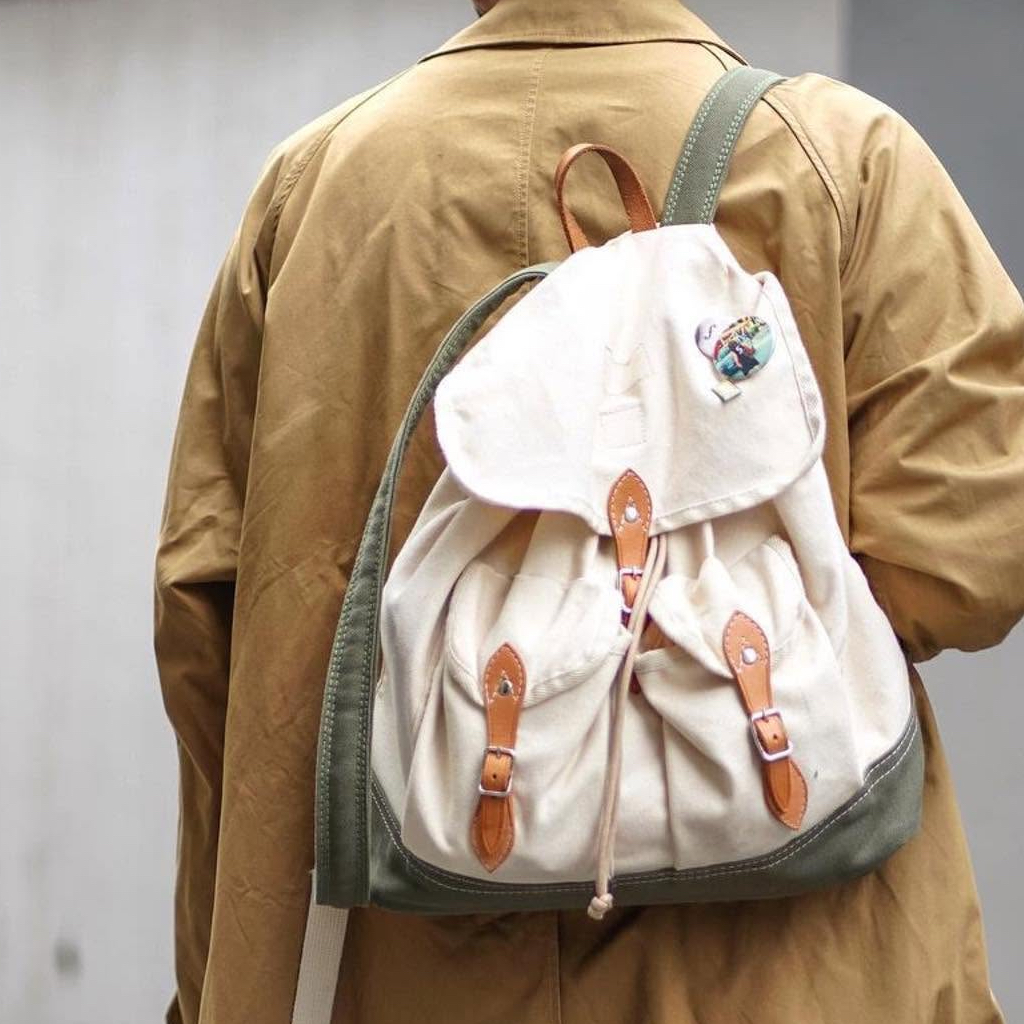
In the coastal shadow of Hokkaido’s rugged northwestern hills, where the salt air rolls in off the Sea of Japan and the small town of Iwanai harbors deep, quiet layers of pioneer history, a century-old workshop carries on a very specific kind of quiet magic. Known simply as Muramoto Tent, this family-run institution has spent generations mastering the art of heavy-duty utility, evolving from a frontier harness maker into a beloved sanctuary for handcrafted canvas bags and durable outdoor gear. Operating entirely through the hands-on labor and patient insights of local artisans, the workshop stands at the intersection of rugged industrial heritage and slow, mindful design, proving that true craftsmanship is something earned through decades of continuous adaptation.
To understand the heartbeat of this historic brand, folks need to look back more than a hundred years to its origins in 1911. Founded originally by the first-generation master during an era when Hokkaido’s economy relied heavily on literal horsepower, the business began as a dedicated saddlery. As the tides of industrial progress shifted and horses gave way to motor vehicles, the workshop transitioned smoothly to meet the changing needs of the region, crafting heavy canvas covers, truck canopies, and protective gear for local fishing boats and commercial freighters. This deep-rooted familiarity with industrial-grade fabrics—materials designed to withstand bitter winter gales, driving rain, and relentless sea spray—became the invisible foundation for everything the studio creates today, ensuring that every stitch possesses a rare, unyielding strength.
The shift from large-scale commercial covers to the exquisite, highly sought-after canvas bags we see today happened quite organically, born straight from the voices and daily needs of the local community. About twenty years ago, the team began experimenting with smaller goods after a local high-school teacher approached the workshop with a simple request for a durable, custom shoulder bag modeled after an old favorite. That single piece, crafted with care and tailored precisely to practical habits, sparked what would become a signature staple known affectionately as the “Shigenari Bag.” As that teacher traveled and carried his gear through daily life, news of the bag’s unmatched durability and simple, honest aesthetic spread quietly by word of mouth, transforming a local favor into a treasured regional design classic.
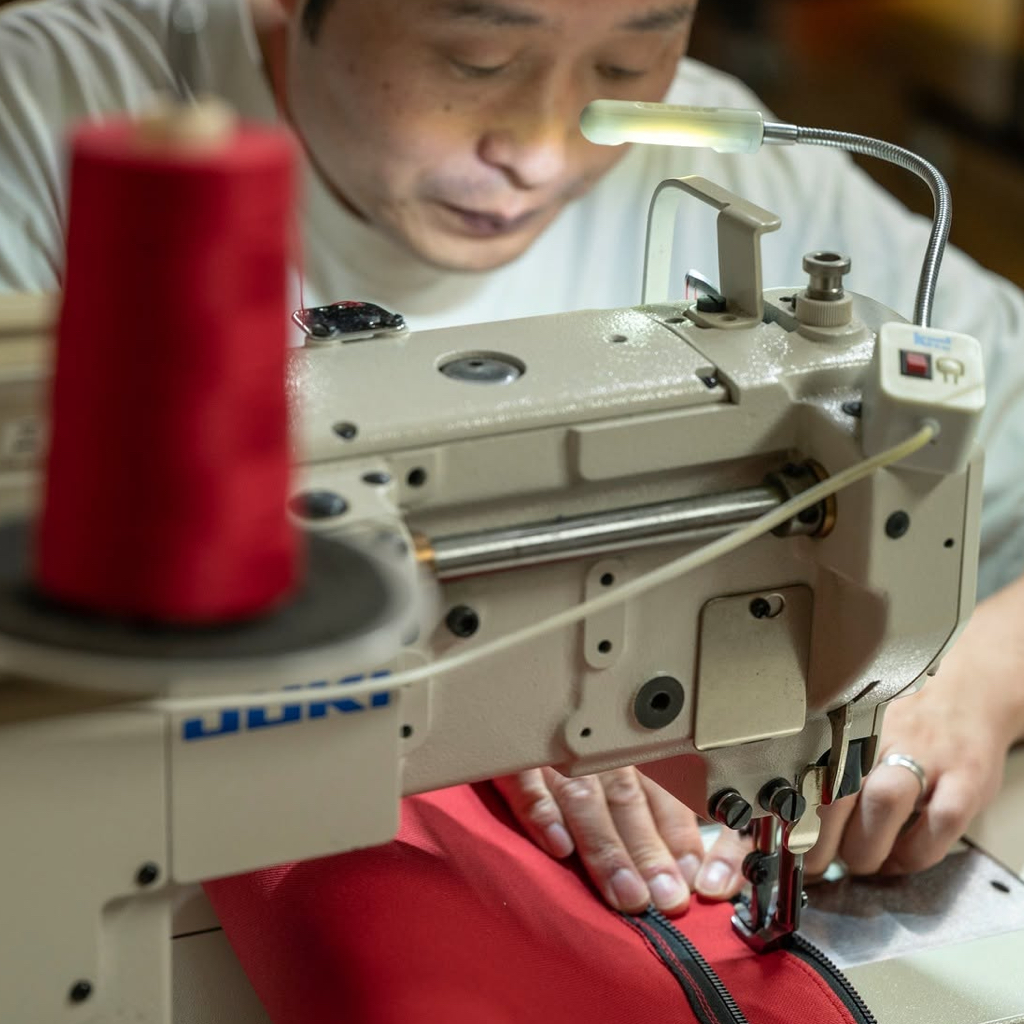
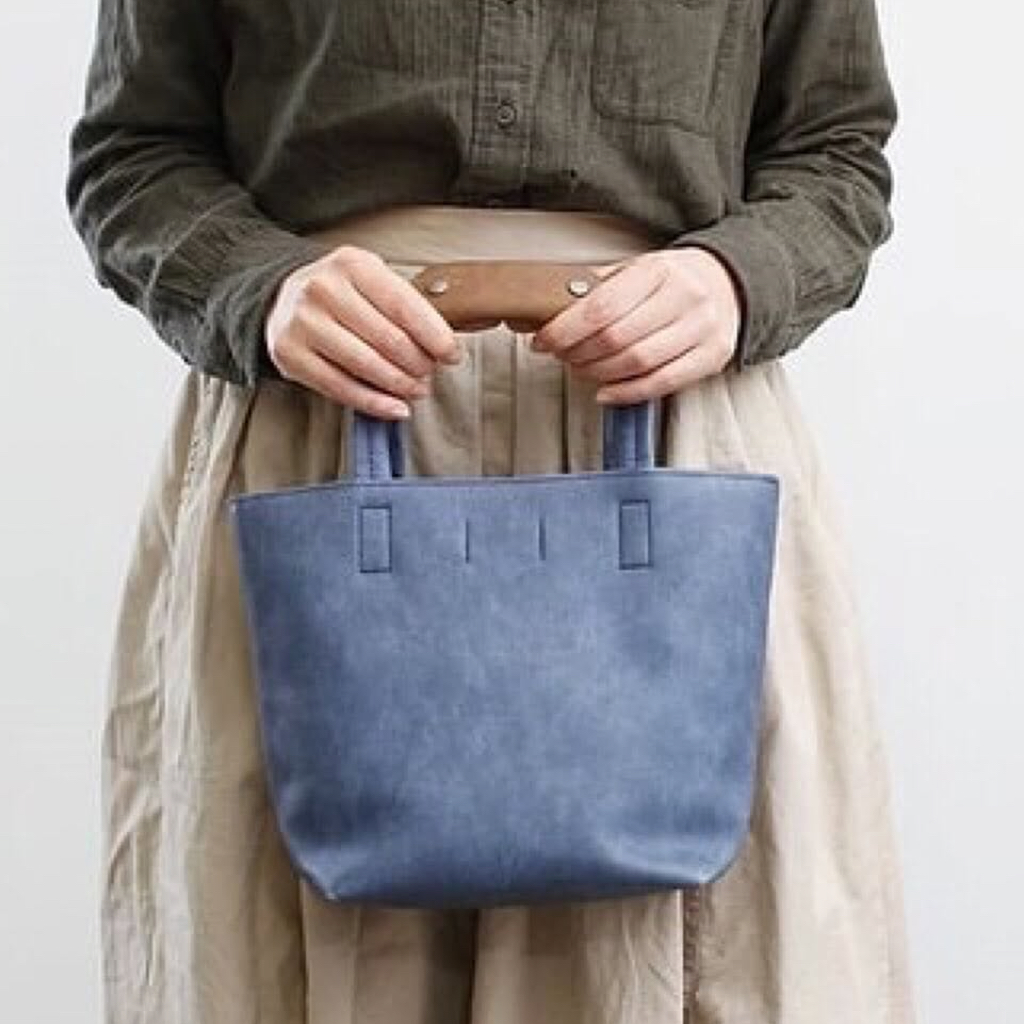
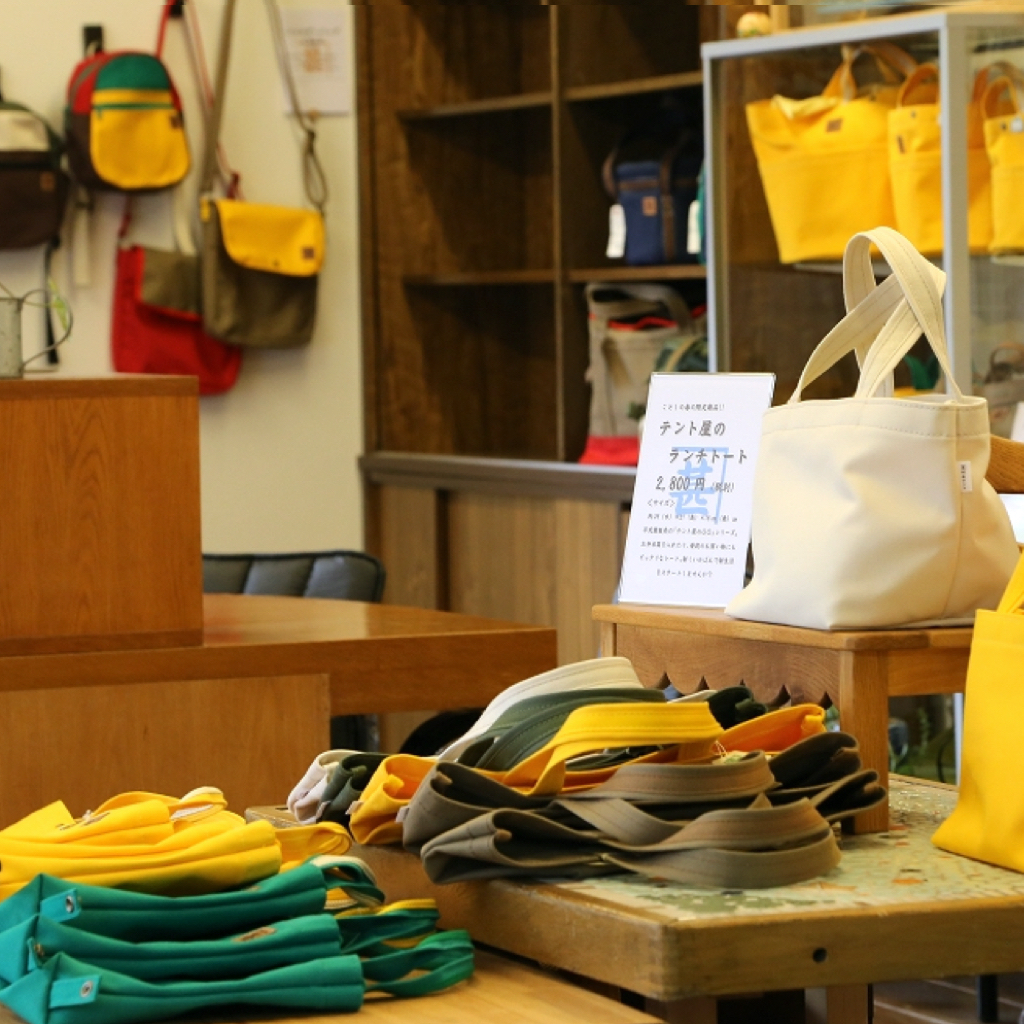
Today, the workshop is guided by the fourth generation, Go Muramoto, who returned to his hometown after spending years working elsewhere, eventually finding his true calling in the rhythm of the workbench. Under his care, the studio continues to produce an array of stunning canvas tote bags, shoulder bags, and their iconic, high-visibility foraging backpacks traditionally used by locals gathering wild mountain plants. What makes these pieces so remarkable is the deeply personal process behind them. Rather than pushing out mass-produced items for a faceless market, the workshop regularly accepts custom inquiries from all over the country, adjusting strap lengths, pocket placements, or color combinations to suit the precise desires of individual customers. This intimate dialogue between maker and user means that every bag carries a distinct narrative, built to age gracefully alongside its owner.
Ultimately, this enduring workshop represents a vital anchor in contemporary regional craftsmanship. In a world increasingly dominated by disposable fashion and frictionless online shopping, the quiet Iwanai studio invites folks to slow down and appreciate the substantial weight of a well-made object. Whether it is through a brilliantly colored canvas tote, a weather-beaten truck sheet, or a specialized rucksack designed for the snowy woods, the creators behind the brand turn heavy-duty utility into an art form. For anyone drawn to sustainable design, authentic heritage, and the rugged charm of northern Japanese handwork, this historic space offers a breathtaking reminder of how beauty and resilience are woven together by the human hand.
北海道の険しい北西部の丘陵の影に佇み、日本海から吹き付ける塩気を含んだ潮風が漂い、岩内の小さな町が深い静寂をたたえる開拓の歴史を抱くこの場所で、1世紀の歴史を持つ工房がひそやかな独自の魔法を紡ぎ続けています。「村本テント」として知られるこの家族経営の老舗は、何世代にもわたって頑丈な実用性の技を極め、開拓時代の馬具屋から、手作りのキャンバスバッグや耐久性に優れたアウトドアギアを愛する人々のための聖地へと進化を遂げました。地元の職人たちの手作業による労力とたゆまぬ洞察力によってのみ営まれるこの工房は、荒々しい産業遺産とスローでマインドフルなデザインの交差点に立ち、真のクラフトマンシップとは数十年におよぶ絶え間ない適応を通じて初めて得られるものであることを証明しています。
この歴史あるブランドの心臓部を真に理解するためには、人々は1911年の原点へと100年以上を遡る必要があります。北海道の経済が文字通りの「馬力」に大きく依存していた時代に初代の親方によって創業されたこの事業は、元々は専門の馬具屋として始まりました。産業の進歩の波が変わり、馬が自動車へと取って代わられるにつれて、工房は地域の変化するニーズにスムーズに適応し、重厚なキャンバス地のカバー、トラックの幌、地元の漁船や商業貨物船のための保護具などを手掛けました。厳しい冬の烈風、吹き付ける雨、容赦ない海の水飛沫に耐えるよう設計された素材である、こうした工業用ファブリックに対する深い親和性は、スタジオが今日生み出すあらゆるものの見えない土台となり、どのステッチにも稀有で揺るぎない強さが宿ることを保証しています。
大規模な商業用カバーから、私たちが目にする絶品で垂涎の的となるキャンバスバッグへの移行は、きわめて自然に、地域社会の生の声と日常のニーズから直接生まれました。およそ20年前、地元の高校教師が古いお気に入りを模した耐久性のあるカスタムショルダーバッグのシンプルな依頼を持って工房を訪れたことをきっかけに、チームは小さな小物の実験を始めました。丁寧に作られ、実用的な習慣に合わせて正確に調整されたそのひとつの作品が、「重成バッグ」として愛称で呼ばれる定番の基盤となりました。その教師が日常生活の中でギアを運び、旅をするにつれて、バッグの比類なき耐久性とシンプルで誠実な美しさが口コミで静かに広がり、地元の好意から生まれたものが地域の貴重なデザインの古典へと変貌を遂げました。
今日、この工房は4代目の村本剛氏に率いられています。彼は他所での数年の勤務を経て故郷へと戻り、やがて作業台のリズムの中に自らの真の天職を見出しました。彼の監督のもと、スタジオでは圧倒的な美しさを誇るキャンバスのトートバッグ、ショルダーバッグ、そして山菜採りの地元民が伝統的に愛用してきた象徴的な視認性の高い foraging backpacks(山菜リュック)に至るまで、多彩な製品を生み出し続けています。これらの作品をこれほど特異なものにしているのは、その背後にある深く個人的なプロセスです。顔の見えない市場向けに大量生産品を押し出すのではなく、工房では日本全国からの特注の問い合わせを定期的に受け付け、個々の顧客の正確な要望に合わせてストラップの長さ、ポケットの位置、カラーリングを調整しています。作り手と使い手の間のこうした親密な対話は、すべてのバッグがそれぞれのオーナーと共に美しくエイジングしていく明確な物語を宿すことを意味しています。
最終的に、この不朽の工房は、現代の地域クラフトマンシップにおける極めて重要なアンカーとして存在しています。使い捨てのファッションと摩擦のないオンラインショッピングにますます支配される世界の中で、この静かな岩内のスタジオは、人々歩みを緩め、よく作られたオブジェが持つ確かな重みを感じ取るよう誘ってくれます。鮮やかな色のキャンバスのトートであれ、風雪に耐えたトラックのシートであれ、あるいは雪深い森のためにデザインされた特製のリュックサックであれ、ブランドの背後にあるクリエイターたちは重厚な実用性を芸術へと高めています。サステナブルなデザイン、巧みなアップサイクル、そして北日本の手仕事が持つ荒削りな魅力に惹かれるすべての人にとって、この歴史的な空間は、人間の手によって美しさとレジリエンスがどのように織り上げられているのかについての息をのむような気づきを与えてくれます。
Leave a Reply