
Writing
-
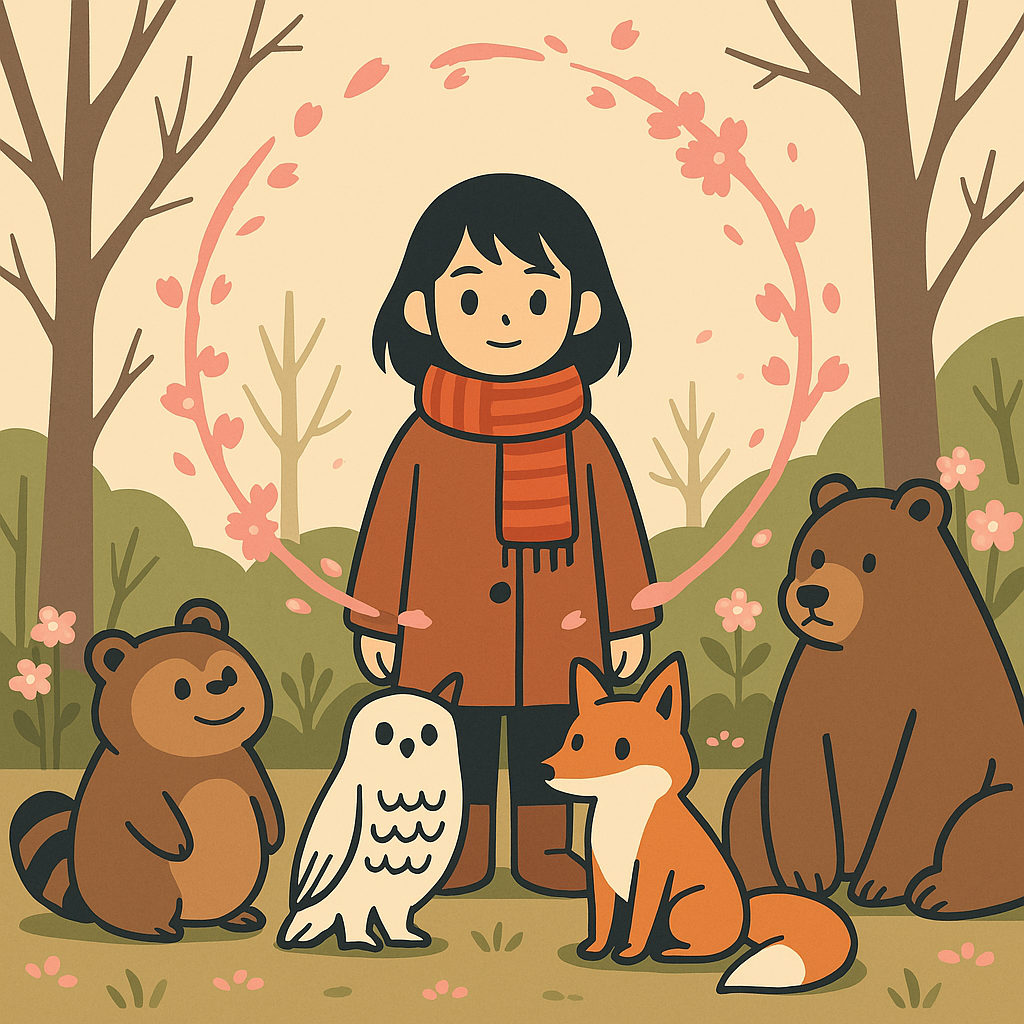
Whispers Beneath the Mist
(A story about Yuugen – 幽玄) One misty morning, Kai awoke to silence, not the kind that means nothing is there, but the kind that feels full of something waiting. She tiptoed outside, where the fog was thick like spun…
-
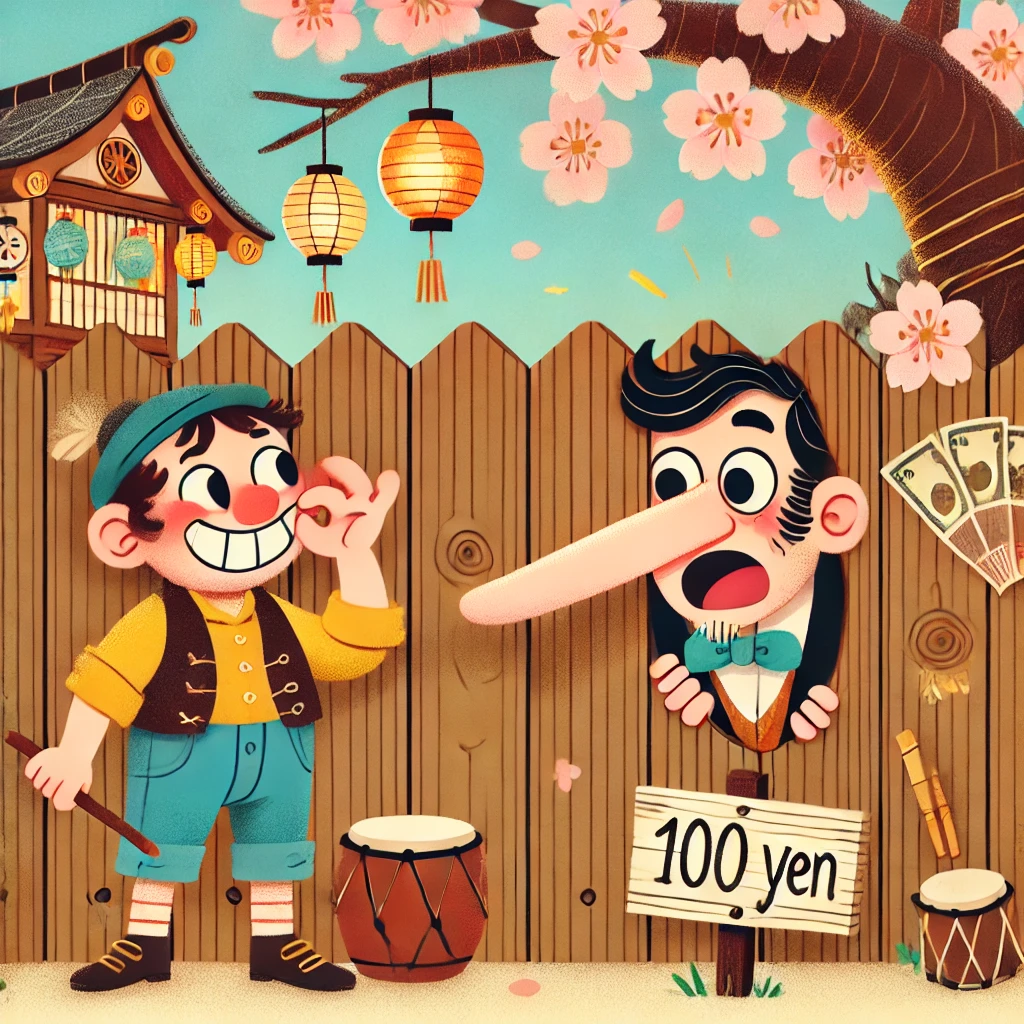
The Nose and the Blossoms Over the Fence
(Kakigoshi no Hana to Hana) Long ago in a little village, two neighbors lived side by side:One was a greedy rich man who loved coins more than kindness.The other was a poor man who didn’t have much, except a big…
-

High and Low: Jean-Michel Basquiat and Japan
In the 1980s Jean-Michel Basquiat ジャン=ミシェル・バスキア emerged as probably the first real-deal African-American art superstar. Beginning as a graffiti artist on the crusts of popular culture he rampaged through New York signing his public work as SAMO (meaning — Same Old Shit), and…
-
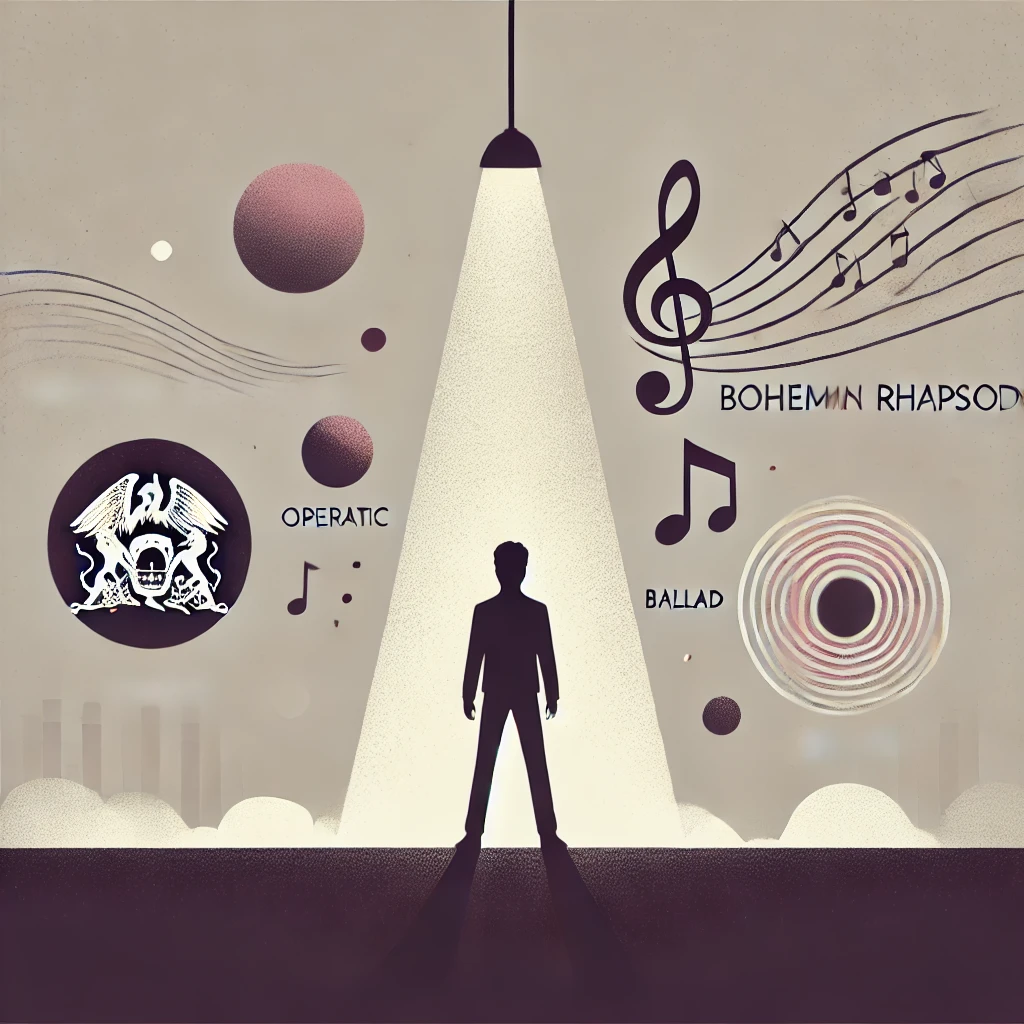
Galileo, Figaro, and the Mystery of “Bohemian Rhapsody”
Few songs in rock history feel less like a composition and more like an event than Bohemian Rhapsody. It does not arrive politely, it does not explain itself, and it does not seem particularly interested in whether you understand it or…
-

Silence of the Catch
The days after the storm were eerily calm. The sea stretched out like a sheet of glass, its surface unbroken by waves or wind. Kai sat on the edge of the Kaze Maru, her legs swinging idly as she stared…
-

The Storm Within
Weeks had passed since Kai’s first fishing trip, and her confidence grew with each outing. She had learned to read the tides, watch the skies for signs of change, and even help her father untangle stubborn nets. The sea felt…
-

The First Catch
Kai’s breath puffed out in little clouds as she stood beside her father on the front deck of the Kaze Maru, an old wooden fishing boat showing its age from all the winters had it seen, gripping her fishing rod…
-
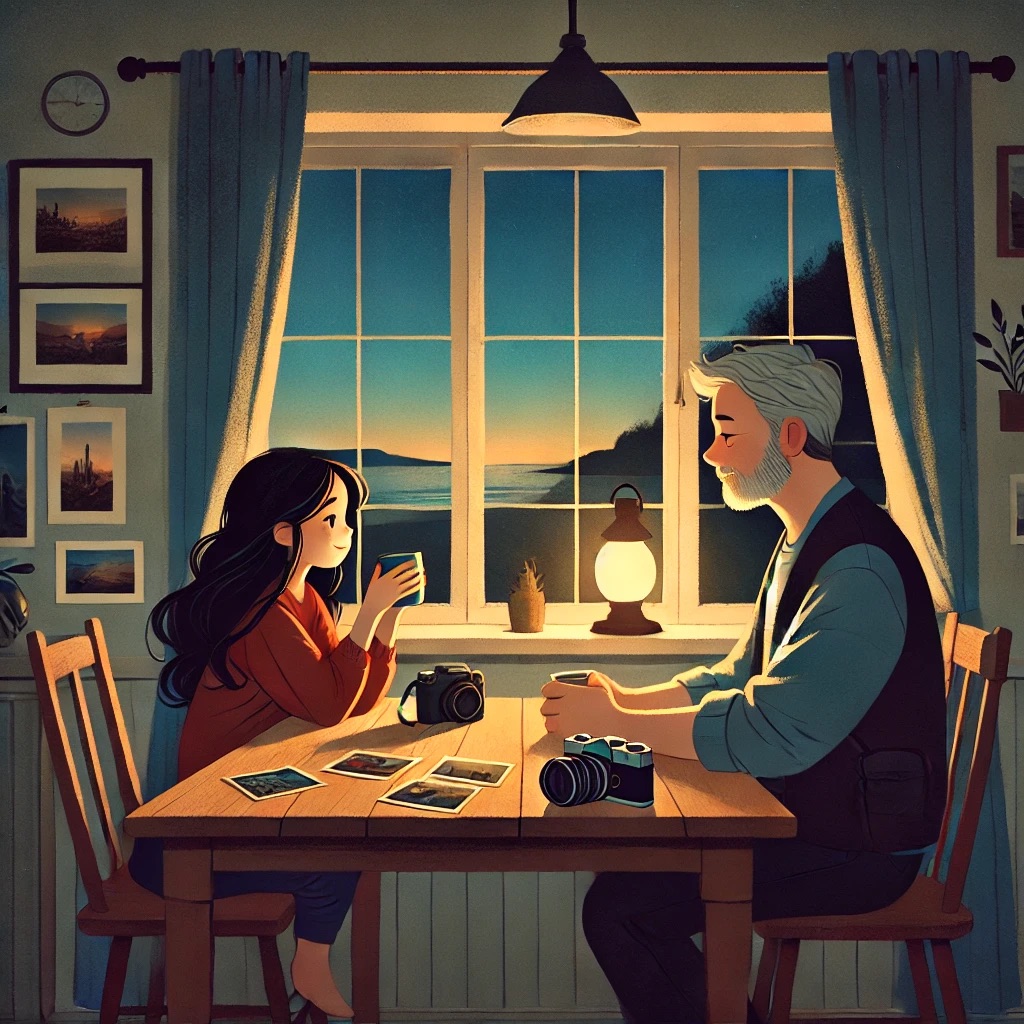
Home on the Other Side
The rain had stopped by the time the evening light softened against the window. The air still smelled fresh, the way it always did after a long rain like the world had been rinsed clean. Kai sat at the table,…
-

Time After Time
Kai sits at the table, her fingers tracing the rim of her warm cup as she watches the raindrops race down the window. The room is soft with the light of the cloudy afternoon, the walls adorned with photographs her…
-
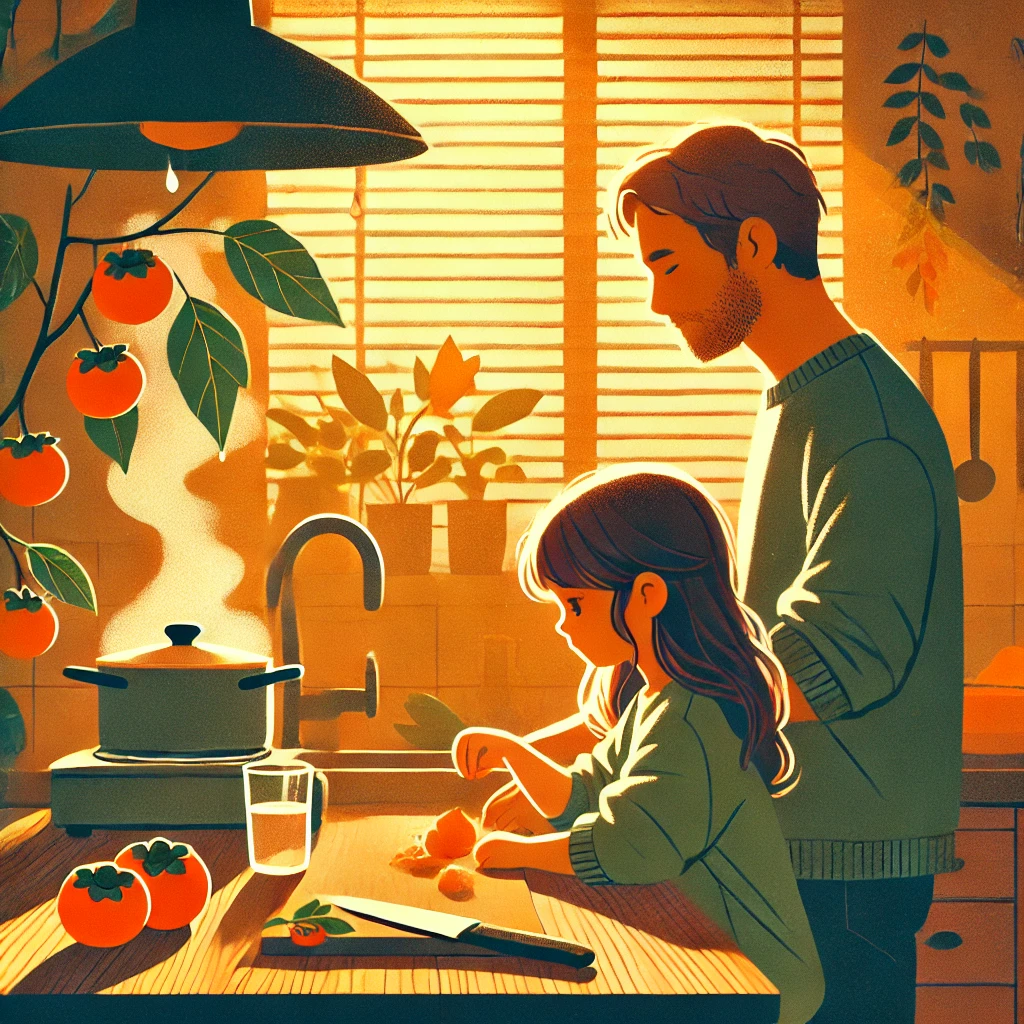
The Dripping Tap and the Golden Light
The kitchen smelled of fresh vegetables, earthy and crisp, spring onions just cut, the bright citrus tang of yuzu, the deep warmth of simmering broth. The golden afternoon sun streamed through the window, catching the edges of steam rising from…
-

Minding Your Digital Manners
By minding our digital manners today, we’re not just improving AI’s performance—we’re shaping our future leadership potential in an increasingly automated world. And, who knows? Maybe one day, our polite requests will be the key to avoiding an AI-led dystopia.
-

Seeing Beyond the Lines.
This image is a quiet troublemaker. At first glance, it looks orderly and obedient. Lines, colors, balance. Then your brain gets involved and starts freelancing. The white areas beside the cyan lines appear faintly blue, while the whites near the…
-
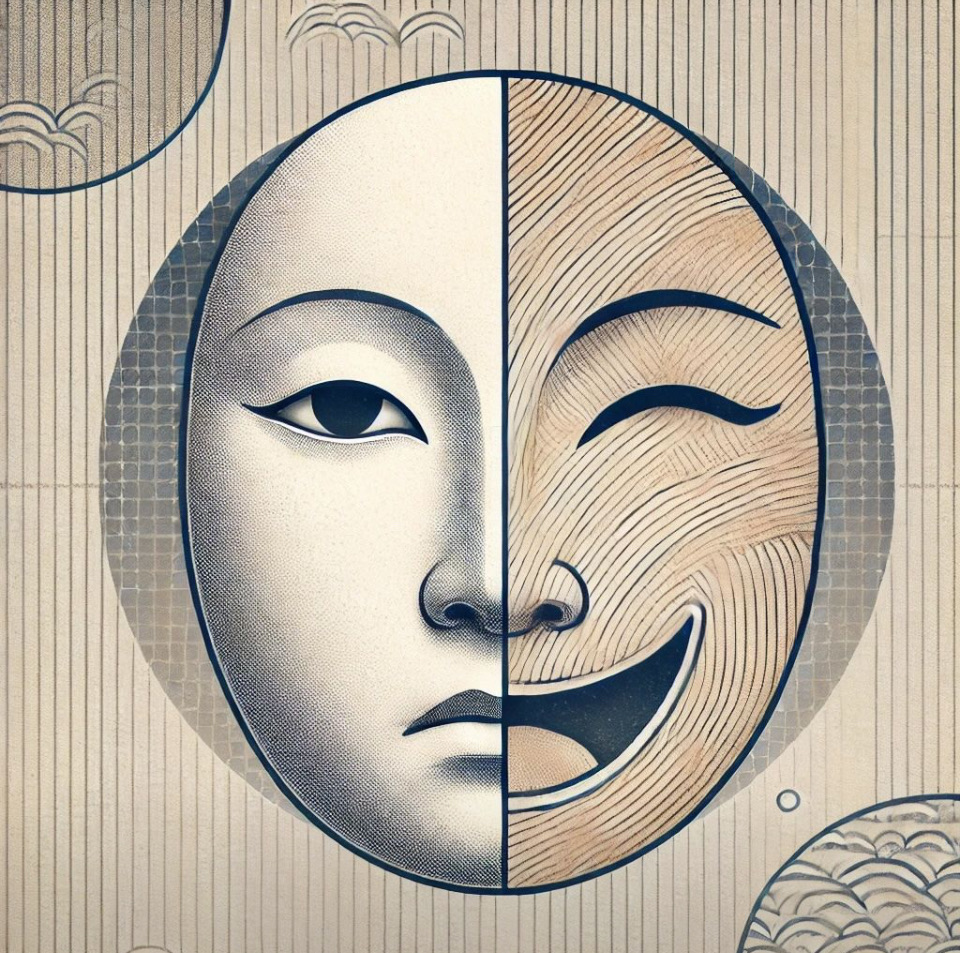
The Culture of Emotions
Facial expressions, especially smiling, do a surprising amount of cultural heavy lifting. In many Western societies, a smile is treated like emotional punctuation. It signals happiness, confidence, friendliness, success, or at the very least that you are not about to…
-

Rhythm of the Forest
The days leading up to the recital felt like a quiet journey. Each morning, Kai would sit at the piano, her fingers pressing gently against the keys, practicing the melody she had learned. The piano was no longer just a…
-
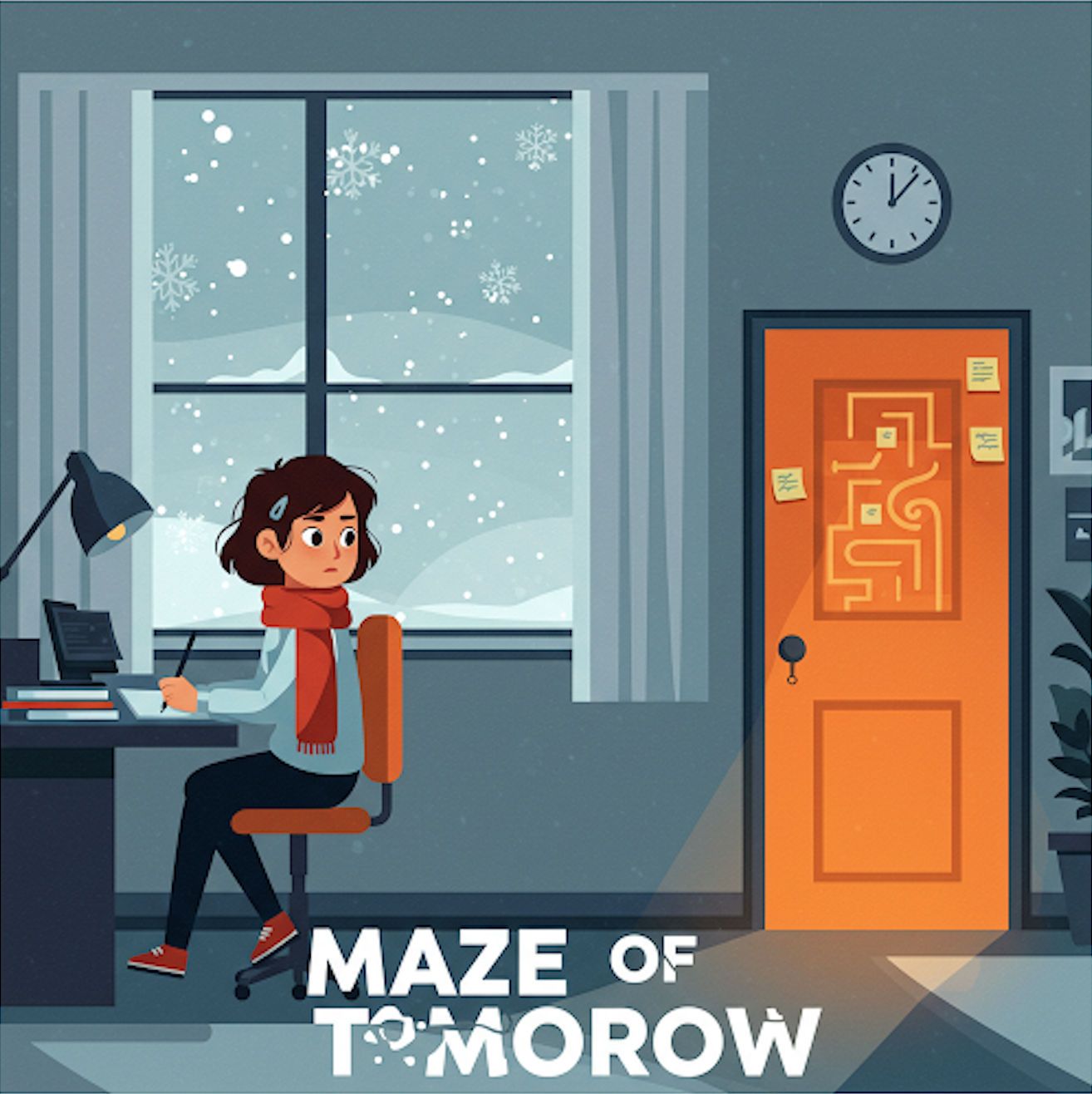
The Maze of tomorrow a Study Adventure
The golden hues of a Hokkaido afternoon streamed through the windows as Kai sat at her desk, pencil tapping rhythmically against her notebook. The clock ticked steadily, but her mind wandered far from the math problems in front of her.…
-
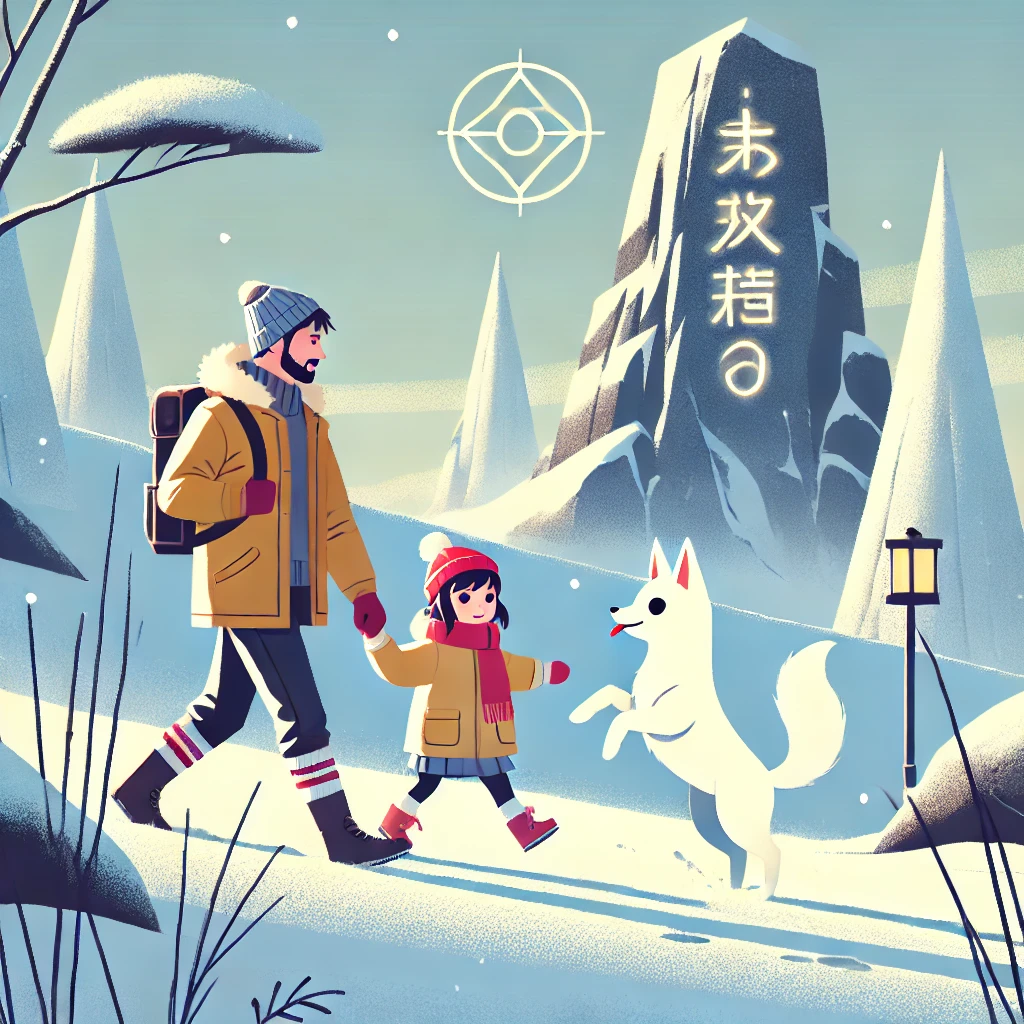
Mountain Whispers
Kai’s boots crunched against the snow as she walked beside her father, the towering peak of Mount Asahi looming in the distance. The air was crisp, and the cold was sharp, yet there was something comforting about the quiet of…
-

The List
The sun had barely stretched over the ridges of Hokkaido’s mountains when Kai and her father set out on their next adventure. Their backpacks were snug, packed carefully, or so her father thought. The list they had made together the…
-

Are We There Yet
The drive home from Mount Asahi was long, winding through stretches of dense forest and open plains, with the last hints of the sun casting golden streaks across the sky. Kai sat in the back seat, legs swinging restlessly, her…
-

All the Way to the Top
The wind whispered through the trees as Kai and her father set foot on the trail leading up Mount Asahi. The air was crisp, carrying the earthy scent of moss and pine. Kai adjusted her backpack, determination shining in her…
-

A Little Shelter
The forest trail was quiet except for the gentle rustle of leaves and the soft chirping of birds hidden among the branches. The sunlight slipped through the canopy, drawing shifting patterns on the ground like secret maps only nature could…
-
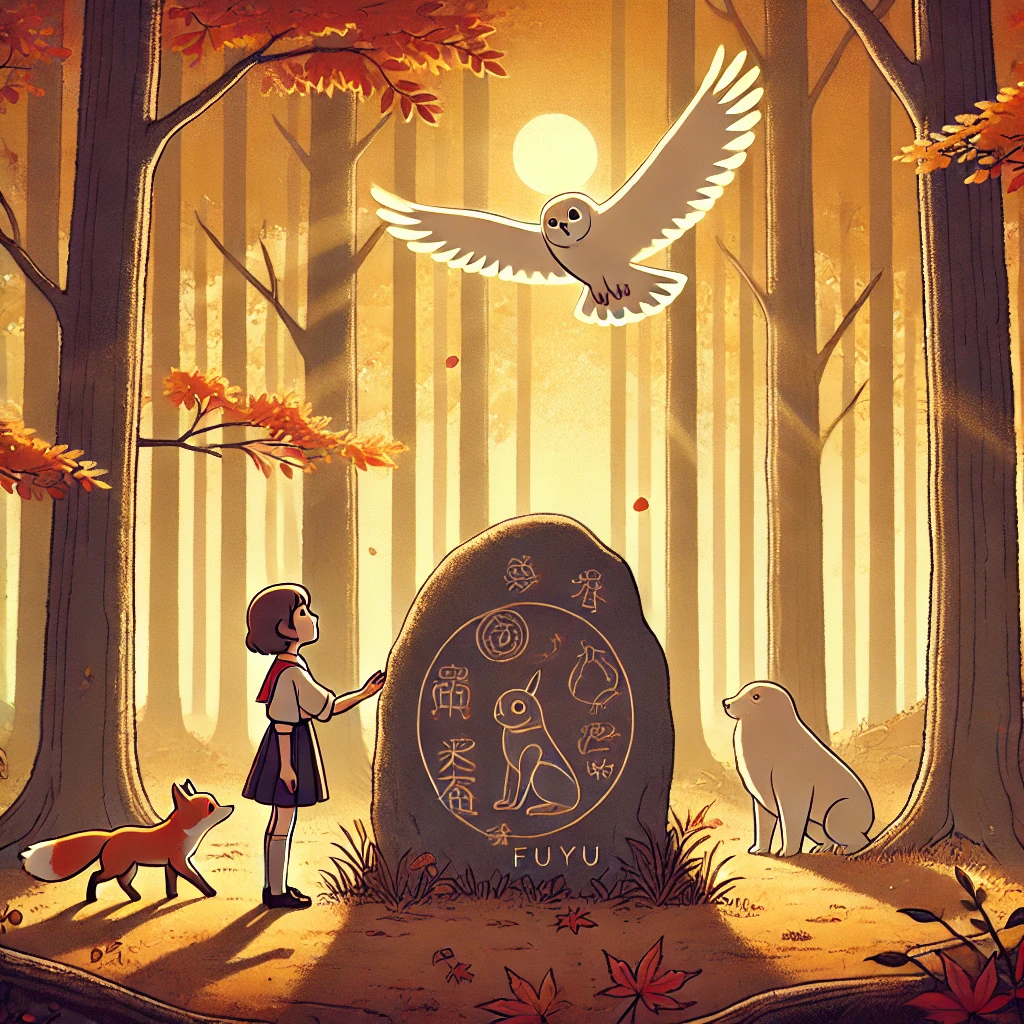
The Path of Small Wonders
Kai and Hinata sat by the edge of the park, where the cool autumn breeze stirred the leaves. It was a quiet afternoon, with only the soft rustling of branches and distant sounds of children playing nearby. The two girls…
-

The Moment We Stopped
Kai and Hinata were sitting on the soft grass in the park, their backs resting against the sturdy trunk of a tree. The air was fresh, and the scent of pine trees mixed with the sweet, earthy smell of the…
-

Wabi-Sabi: The Cracked Teacup
The Cracked Teacup As the group continued their journey, they came across an elderly potter in a small hut, nestled between the trees. The potter was carefully mending a teacup with golden lacquer, his hands steady despite his age. Kai…
-

Wabi-Sabi: The Beauty of Imperfection
The Beauty of Imperfection The snow had begun to melt in Hokkaido, revealing patches of earth beneath. The trees stood bare, their branches stretching toward the sky, waiting for spring. The air was crisp but carried the first hints of…
-
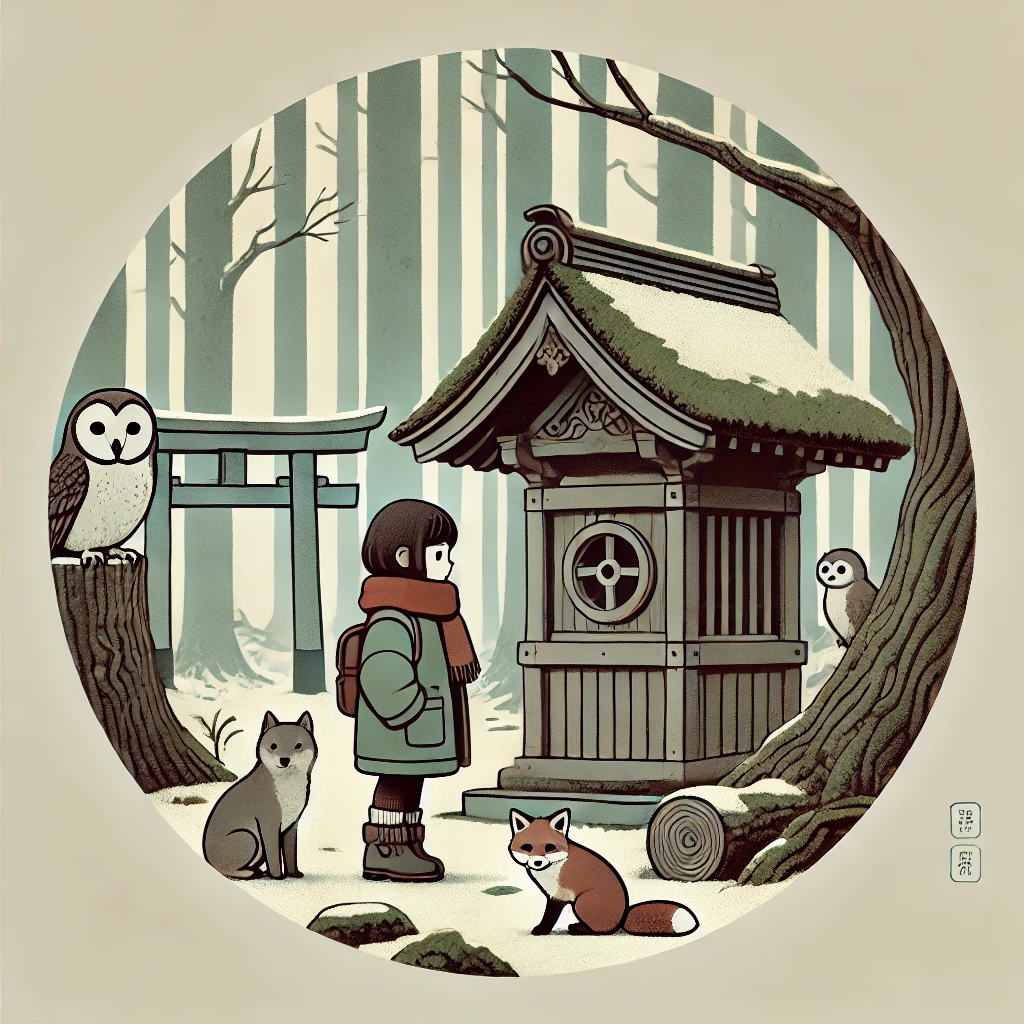
Wabi-Sabi: A Journey Through Time
A Journey Through Time As they walked deeper into the forest, Kai noticed an old wooden shrine, half-covered in moss. Its roof was slightly slanted, and its steps had been worn smooth by countless feet over time. “This place looks…
-

Omoiyari: A Journey of Understanding
In the snow-covered forests of Hokkaido, winter wrapped the earth in a quiet blanket of white. Every tree, every branch, every footprint in the snow felt connected to something larger. In this stillness, four friends gathered around a campfire—Komaru the…
-

The Map of the Missing Path
Kai pressed her forehead against the train window, watching the familiar streets of Chiba roll by. She had been to Japan many times before, visiting her grandparents, walking along quiet riverbanks, and listening to the wind rustle through the bamboo…
-

A Snowy Adventure
The moment Nami stepped off the plane from Australian arrived in Hokkaido, everything changed. The air was crisp, cold enough to sting her nose. Snow covered the world like a thick blanket, soft and untouched. She had never seen anything…
-

A Map of Our Moments
That night, the world was quiet. The snow fell in slow, lazy swirls, and the only sound was the crunch of their boots as they walked outside. Kai suddenly flopped onto her back. “Watch this,” she said, sweeping her arms…
-
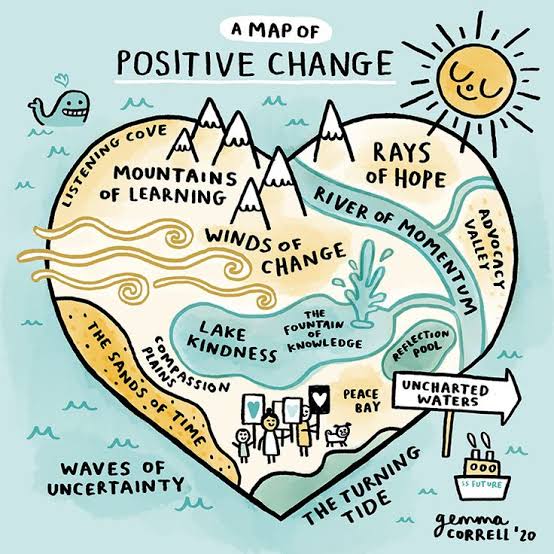
Great Adventure Map
Kai and Nami sat on the beach, their toes buried in the warm sand. It had been a whirlwind of a trip so far, getting lost in the Maze of Tomorrow, escaping the Upside-Down Maze, and finally figuring out how…
-
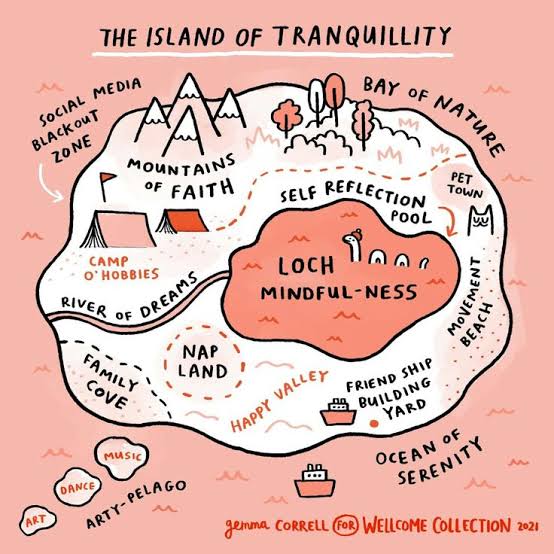
Upside-Down Maze
The moment Kai stepped off the plane in Australia, warm sunshine wrapped around her like a cozy hug. It was the exact opposite of Hokkaido’s winter, no snow, no heavy coats, just blue skies and golden beaches. “Kai!” a familiar…
-
The Maze of Tomorrow
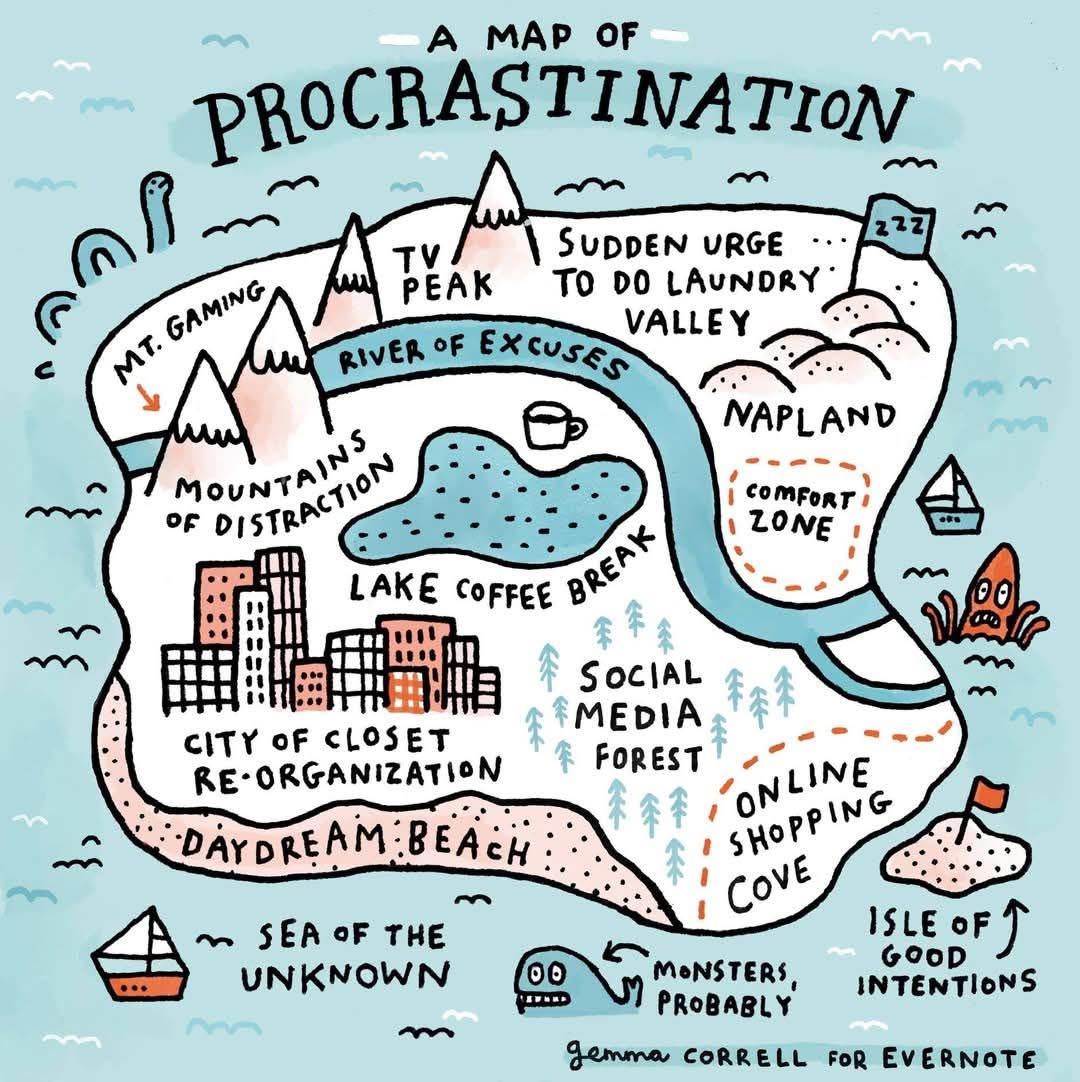
It was a crisp winter morning in Hokkaido, and Kai sat by the window, watching the snowflakes dance in the wind. She had a long list of things to do before her big trip to Australia—packing her bags, finishing her…
-

What is the Average Length of a High-Performing Blog Post?
GGet More Digital Commerce TipsGet more digital commerce tips to help you streamline and grow your business without losing your sanity in the process. With more businesses discovering SEO and content marketing like they have stumbled upon a newly unearthed…
-

How Game Theory Shapes Life, the Universe, and Everything And Why You Should Play It
Every decision you make is part of a game, whether you realize it or not. From negotiating a salary to deciding whether to merge lanes in traffic, game theory is at work in ways that extend far beyond mathematical models.…
-

Sometimes You Can Judge a Book By Its Cover
The Hidden Rules Behind Japan’s Fruit Juice Labels, And Why They Matter Walk into any Japanese convenience store, and you’ll find a dazzling array of fruit juice drinks. From vibrant cartons to minimalist bottles, the packaging is often just as…
-
10 Japanese concepts to live by …
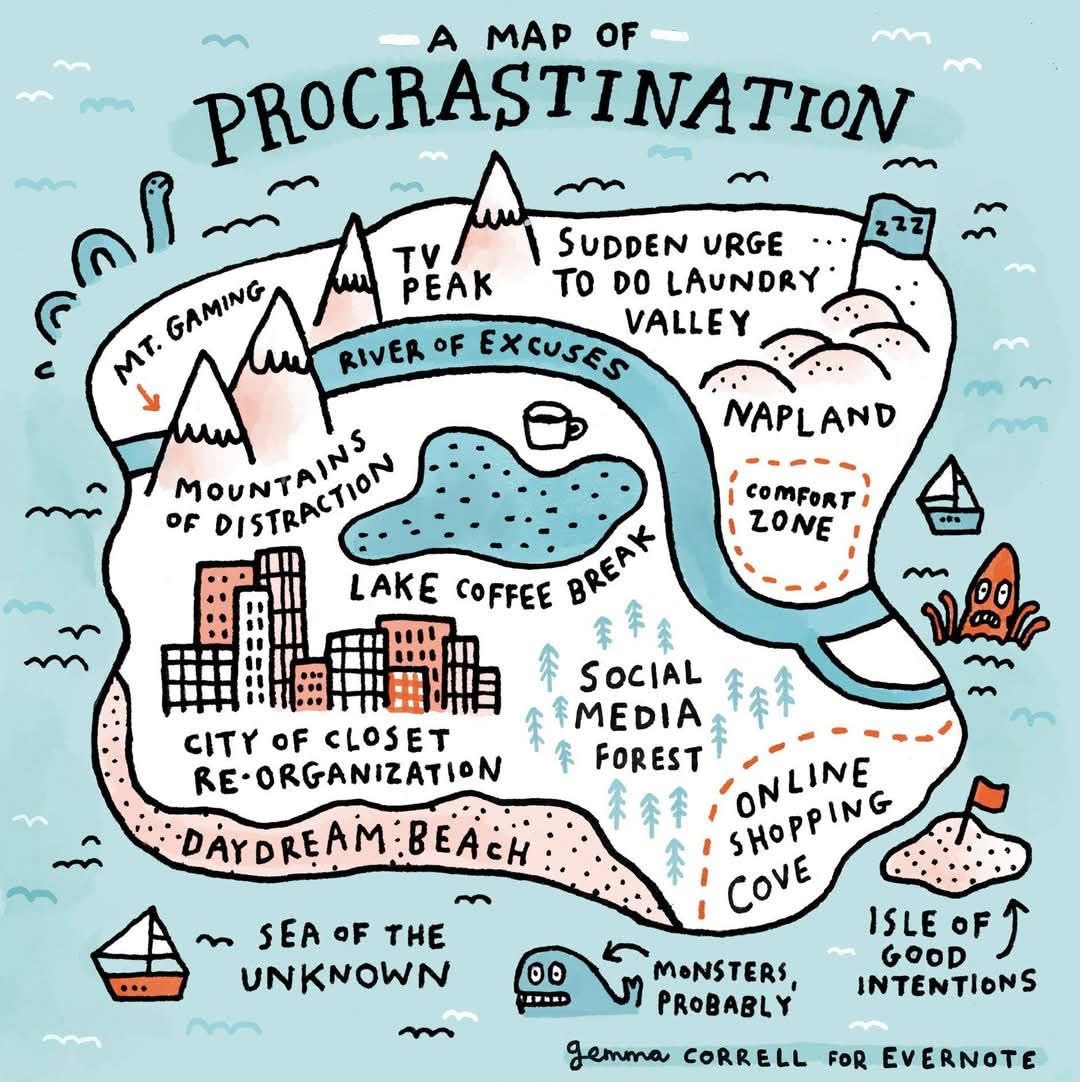
In an age where everything seems to be in flux and a constant state of chaos It may be a good opportunity to slow down, take a deep breath and ponder some of the most significant concepts and philosophies followed…
-

Part 1: Fractured Gold: A Transformational Journey Through Kintsugi and Ikigai
Creative lives are rarely smooth. They are shaped by abandoned projects, failed lessons, critical feedback, funding gaps, lost confidence, and moments where the work simply does not work. In Kintsugi, the Japanese art of repairing broken pottery with gold, damage…
-

Part 2: Fractured Gold: A Transformational Program for Entrepreneurs & Job Seekers
Career paths rarely unfold in straight lines. They fracture, pause, double back, and occasionally collapse in ways that only make sense years later. Barry Ashworth’s professional journey is a clear example of this. Rather than following a single, uninterrupted ascent,…
-
Kintsugi and Ikigai: Embracing Imperfection on the Path to Purpose
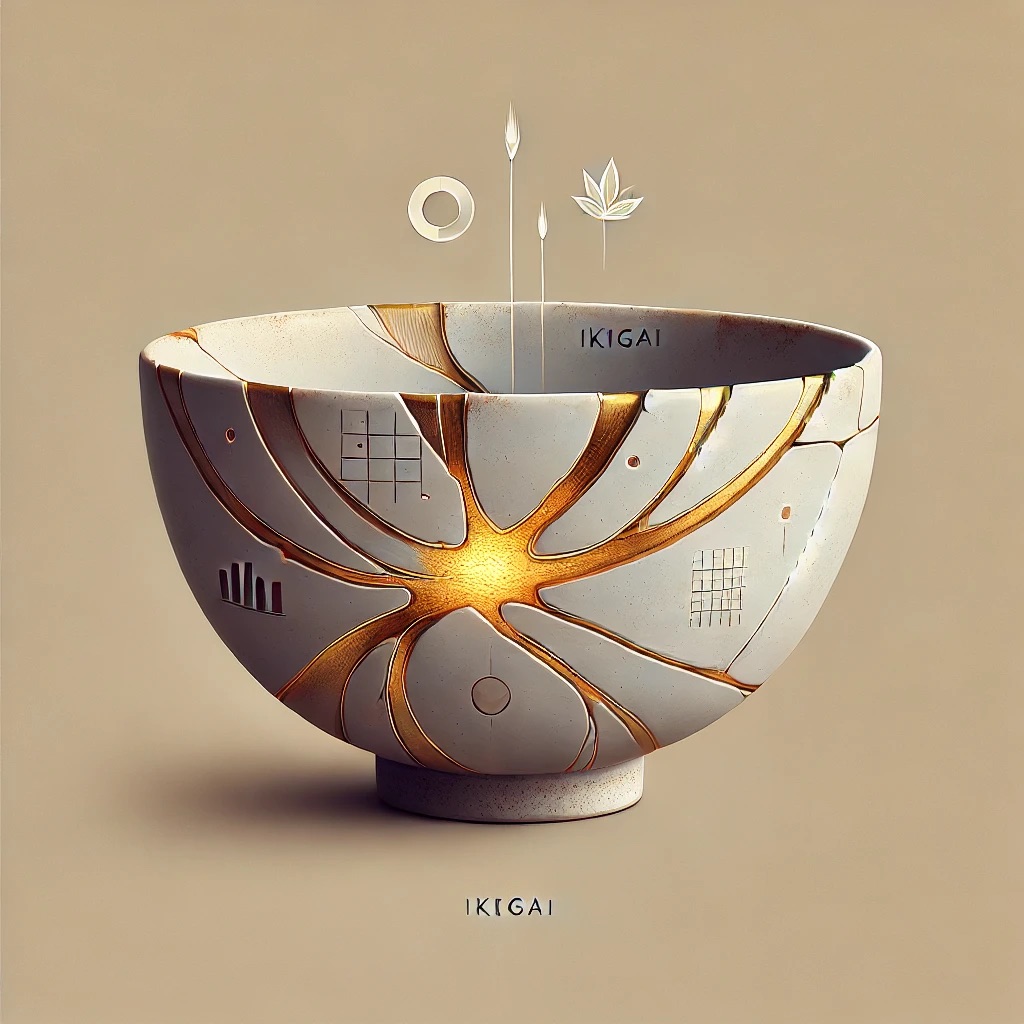
Kintsugi (金継ぎ), the Japanese art of repairing broken pottery with gold, embodies resilience, transformation, and the beauty of imperfection. In many ways, this philosophy parallels ikigai (生き甲斐), the pursuit of a meaningful and fulfilling life. Both emphasize that setbacks and…
-
Kintsugi: The Art of Repairing in AI, Education, and Art
Kintsugi (金継ぎ), the Japanese art of repairing broken pottery with lacquer mixed with powdered gold, is more than a restoration technique, it’s a philosophy. Rooted in wabi-sabi, the appreciation of imperfection, Kintsugi transforms damage into a visible, valuable part of…
-
What is the intention economy and how can you protect yourself?
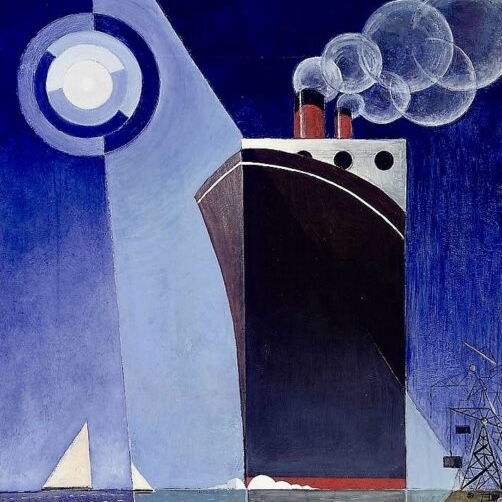
In the 1990s, the internet was a bit of a wonderland. It was new and liberating and largely free of corporate and government influence. Thirty years later, I don’t think any of us would describe the internet this way. Worse, if subscribers to…
-

Pumpkin’s Day
The morning sun cast a golden glow over the garden as Pumpkin woke up with a newfound sense of purpose. Today, she wasn’t just Pumpkin the cat; she was Pumpkin, the explorer, the adventurer. With a spirited leap off the…
-

Pumpkin’s Journey
My name is Pumpkin, but I don’t know why. Other cats have told me that pumpkins start out green, and I can never remember being green. So here I sit on a freshly made bed, with my head resting where…
-
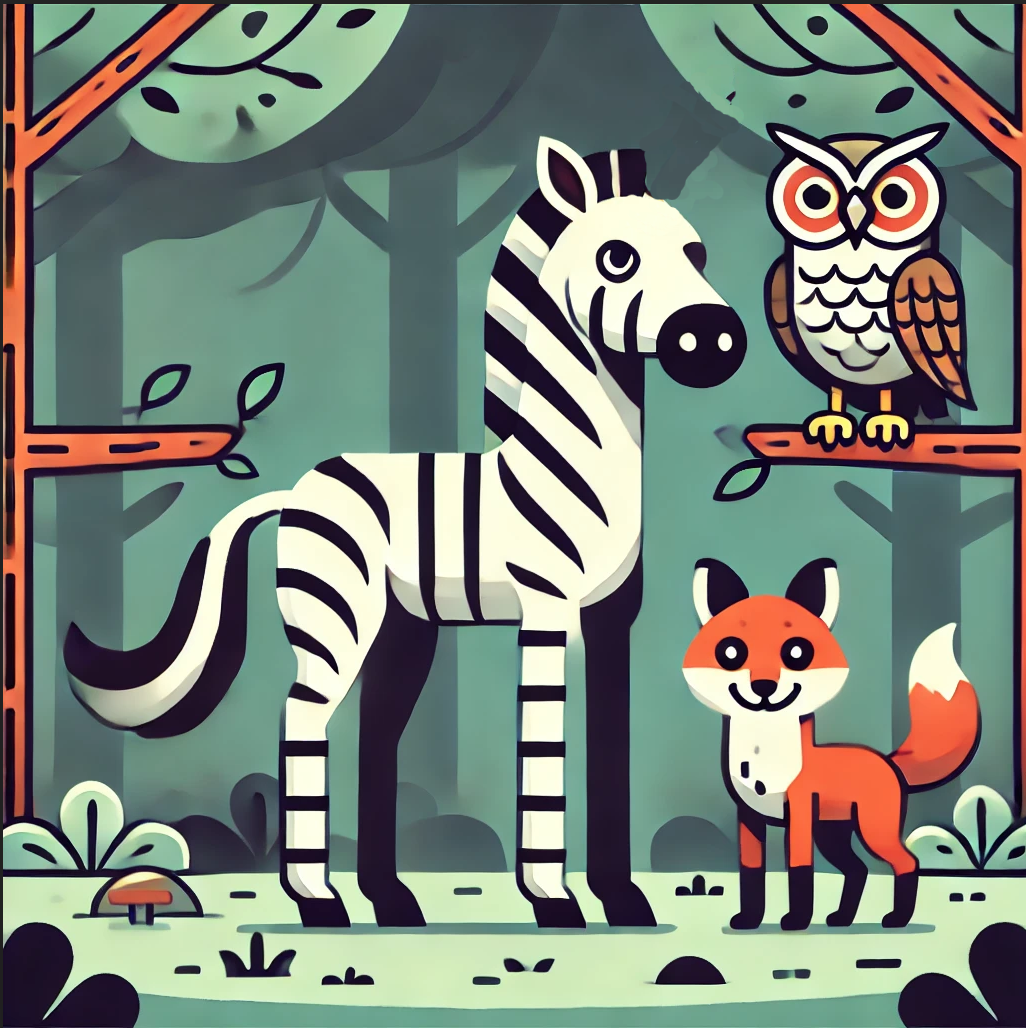
Zora the zebra
In a distant forest, resided an extraordinary zebra named Zora. Unlike her peers, Zora’s stripes adorned her body horizontally, a captivating pattern that distinguished her from the herd. Whispers of mockery reached Zora’s ears, as some zebras ridiculed her unconventional…
-

Tutu and Mango
Once upon a time, in a dense forest far away, there lived a little owl named Tutu. Now Tutu’s voice wasn’t quite the same as other owls; instead of saying “Who Who,” like all the other owls, she could only…
-

Mitty and the Mysterious Meow
In a quiet forest, where sunbeams peeked through leaves, Lived a little kitten named Mittens, her heart full of dreams. Half-dog, half-cat, a mix of fur and whispers, Her eyes filled with excitement of youths delight. One day, by a…
-

A Tale of the Camel with Two Tails
I am a camel, and I have two tails. One is my story, the other is on my rump. I used to live happily in the Forest, right next to the Desert, with my dear friend, the clever Fox. But…
-
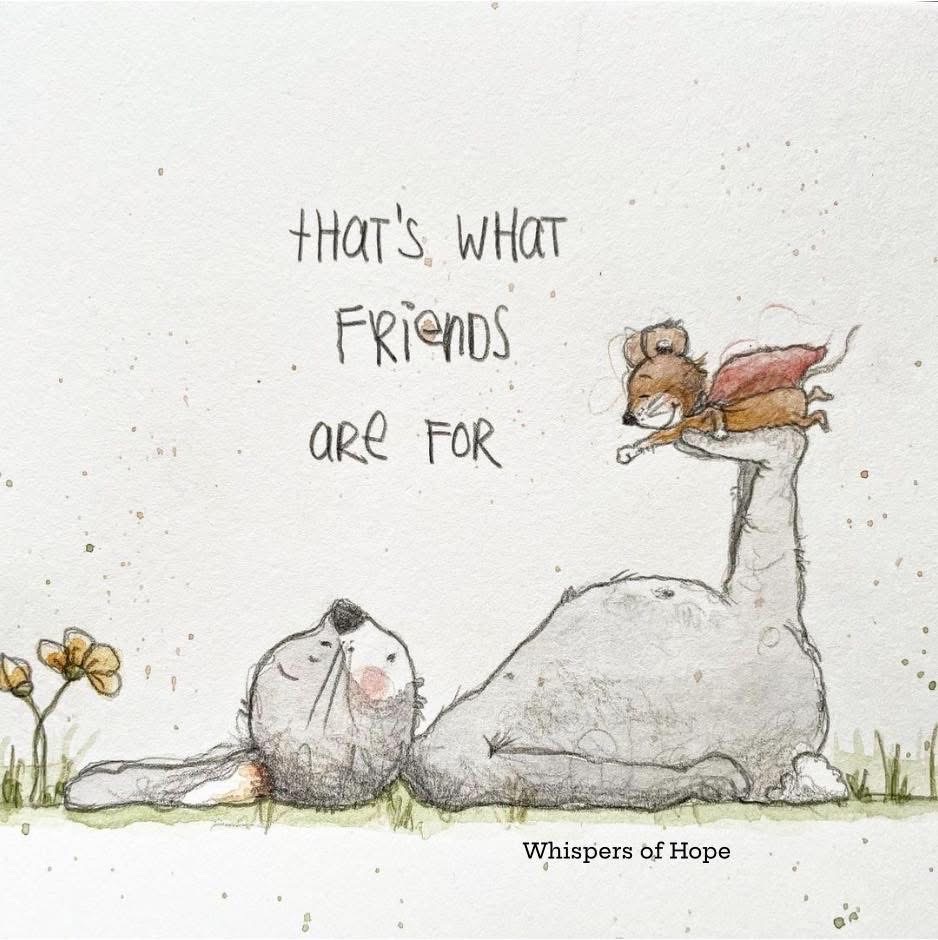
The Sand and the Witch
In a land where the Forest meets the Desert, lived two unlikely friends Sand, a character made entirely of sand, and the Witch, a clever and kind-hearted sorceress. Their home was a place of enchantment and wonder, where creatures of…
-

The Enchanted Camera
Kai and the Enchanted Camera: A Tale of Seeing the World In the little town of Bumbleton, there lived an old man named Mr. Wifflepuff. He was quite an odd character, known for his whimsical ways and peculiar habits. But…
-

Kojiro and Kintaro – 小次郎と金太郎
In Japan, long ago names were more than just words, they carried the hopes and dreams of families. For first-born sons, names were grand and poetic, a symbol of honor and pride. Kojiro-no-Takara-Hikari-Mizuho, meaning “Treasure of Light and Abundance,” was…
-
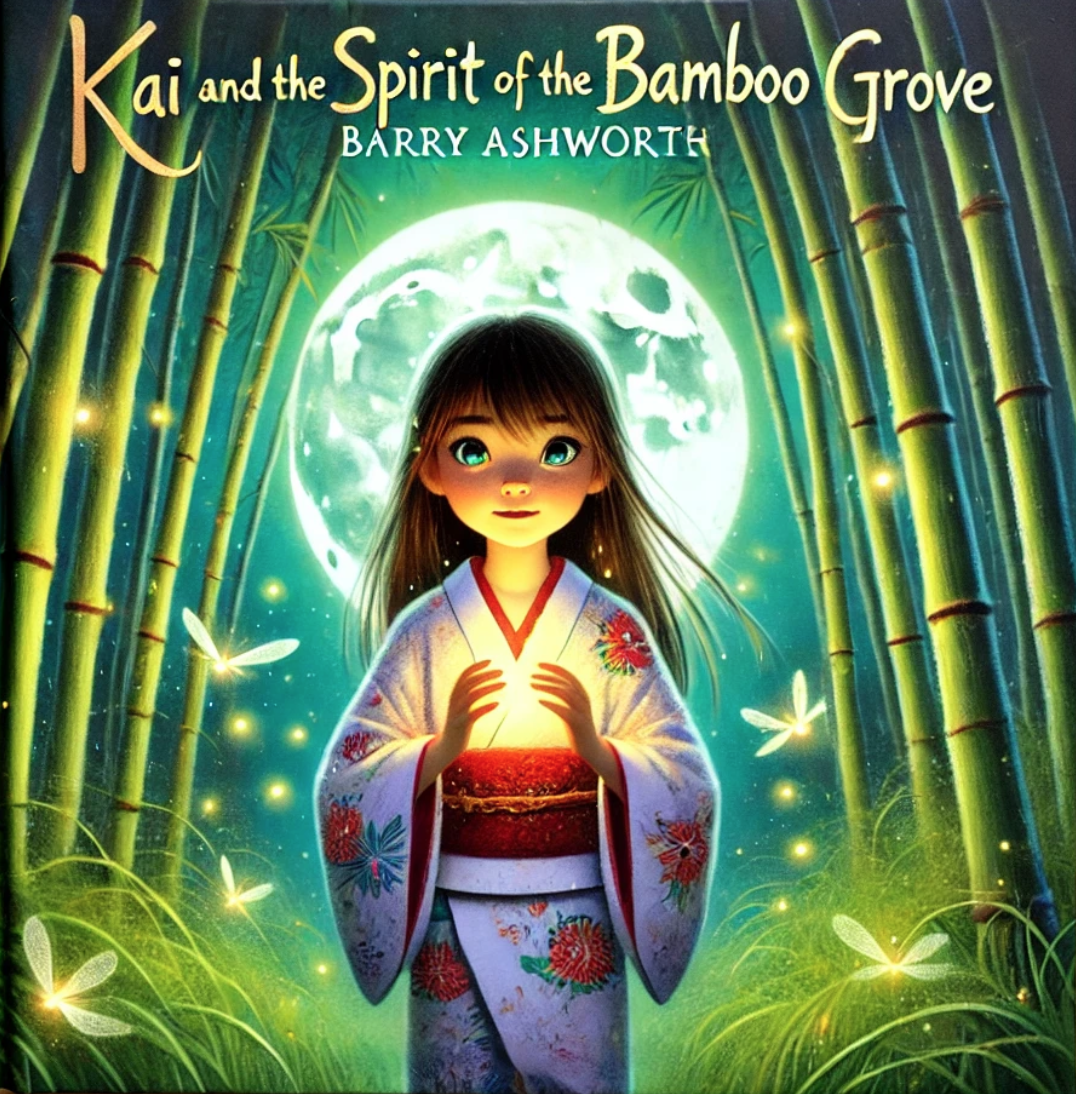
The spirit of the bamboo Grove
Once in a quiet village nestled between the mountains, there lived a girl named Kai. She had sparkling eyes like sunlight dancing on the waves of distant seas and a heart that carried the wisdom of two worlds. Kai loved…
-
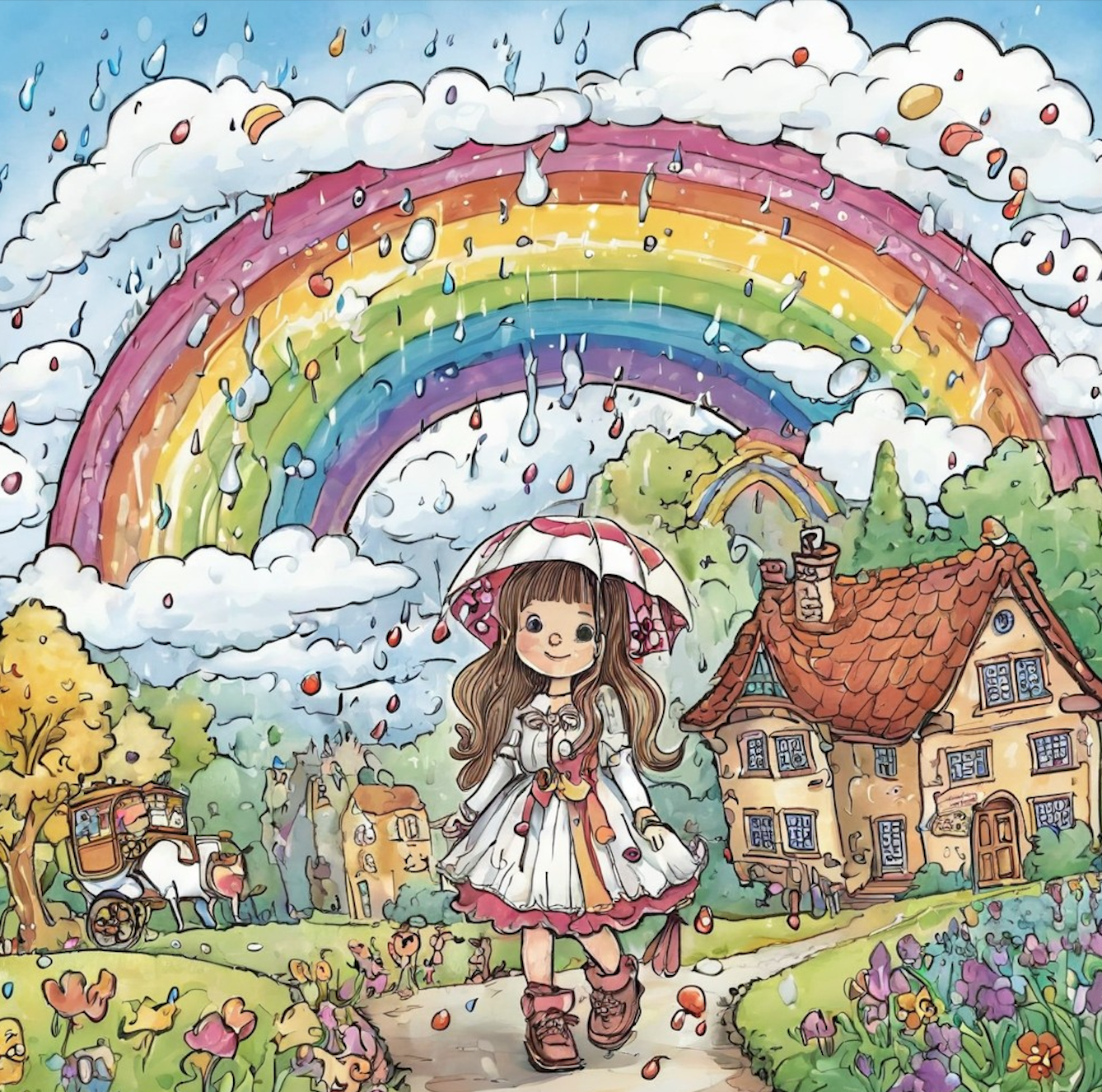
Rainbow Candy Adventure
Once upon a time, in a little town full of giggles and grins, there was a magical moment waiting to happen. It all started when a sprinkle of rain brought out a colourful, curvy rainbow. One sunny, drizzly day, Kai…
-

Bear Do and Bear-Do
In the snowy hills of Hokkaido, where the winter magic sparkles like fairy dust, lived two extraordinary bears: Bear Do and Bear-Do. Though they were twins, they were quite different from each other. Bear Do was a fluffy, white bear…
