
In the bustling landscape of contemporary design, where mass production and digital efficiency often dictate the rhythm of our daily lives, a quiet, deliberate counter-movement takes place in the studios of independent Japanese creators. Among these, the brand and craft studio known as tegoto – founded by designer Junya Shigematsu – stands out as a fascinating intersection of philosophy, traditional craftsmanship, and child-like curiosity. Operating under the overarching theme of chiku, or intellectual upbringing, tegoto does not merely manufacture products for the consumer market; it creates objects for thought. These are tangible, hand-crafted artifacts that blur the boundaries between fine art, folk craft, and pedagogical toys, inviting folks of all ages to pause, touch, and deeply ponder the structures of the world around us.
To truly understand this studio, we must examine the background of its creator. A graduate of the prestigious Tokyo University of the Arts, where he studied in the Faculty of Fine Arts within the Department of Design, Shigematsu approaches craft as a visual and conceptual language. Working independently as a multidisciplinary designer, his expertise spans across graphics, illustrations, and physical merchandise. However, it is through tegoto, launched in 2015, that his artistic vision finds its most visceral expression. Shigematsu takes a remarkably hands-on approach to his work, personally handling everything from the initial woodworking and carving to painting and final assembly. This rigorous commitment to manual craftsmanship ensures that every single piece carries the subtle, irreplaceable warmth of the human hand, a quality that feels increasingly rare in our hyper-digitized era.
The philosophy driving the brand is rooted in a deep appreciation for traditional Japanese sensibilities, yet it reinterprets these historical methods through a radically modern, minimalist design lens. Shigematsu frequently utilizes traditional concepts such as shukusyuku (miniaturization) and mitate (metaphor or representation), restructuring how we perceive scale, utility, and narrative. His works translate complex social conditions, historical structures, and the natural states of living organisms into playful, interactive toys and interior objects. Rather than preaching abstract concepts, the studio uses tactile engagement as a portal to intellectual stimulation. The objects are designed to trigger the visual and tactile senses, encouraging folks to dismantle them, piece them together, or simply observe their subtle movements, thereby unlocking layers of meaning embedded within their simple forms.
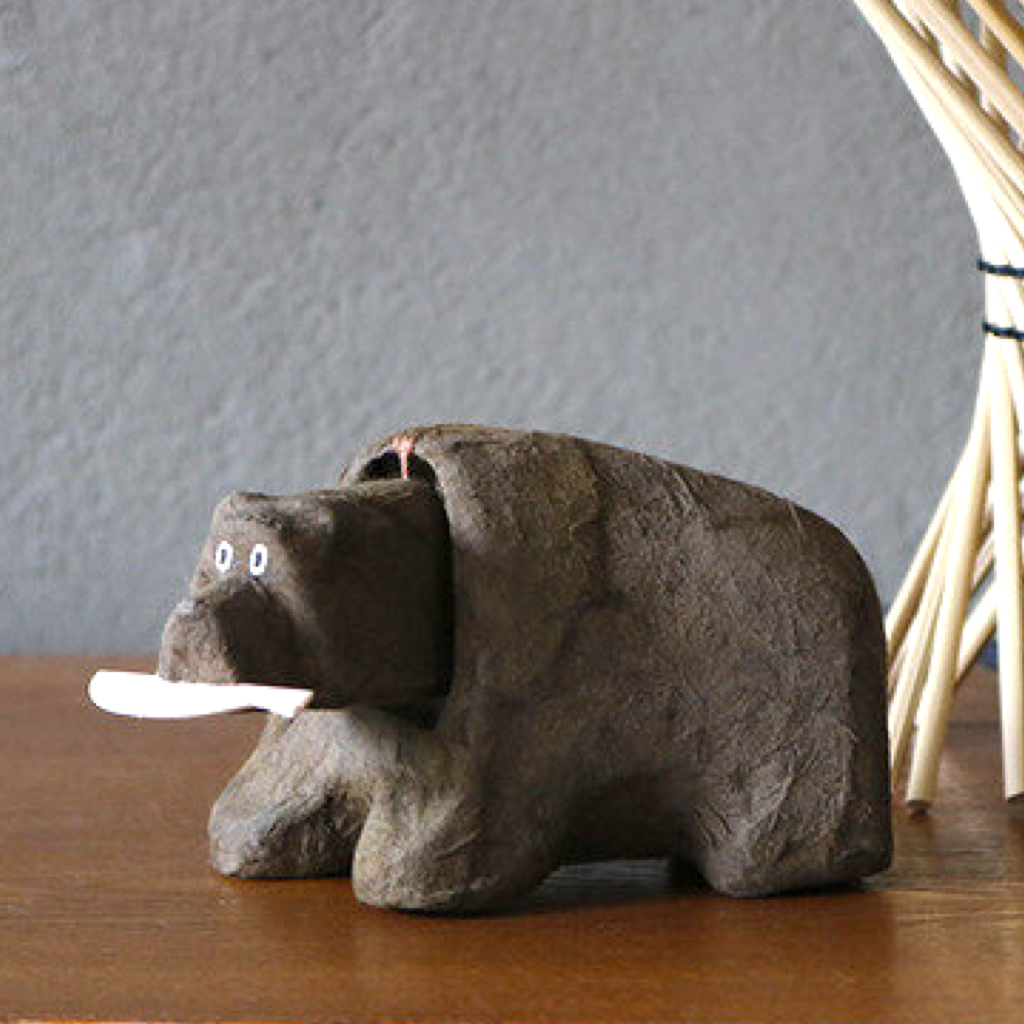
One striking example of this philosophy in action is seen in the brand’s exploration of traditional hariko, or Japanese papier-mâché. While hariko is a historic folk art deeply tied to regional shrines, local festivals, and good-luck charms across Japan, Shigematsu strips away any kitschy excess to reveal a sleek, refined modern aesthetic. Under his guidance, traditional motifs like swaying head bears, zodiac animals, and auspicious cats are reborn as minimalist sculptural objects with gentle, calming presences. In some instances, the studio has engaged in inventive cross-disciplinary collaborations, such as working with fine leather and design brands like i ro se to fuse the crisp, lightweight texture of paper with the rich, tactile depth of high-quality leather details. These pieces bridge the gap between antique folk craft and avant-garde interior design, making them equally at home in a contemporary art gallery or a minimalist living room.
Beyond papier-mâché, tegoto has captured the imagination of design enthusiasts with its whimsical “Obake” ghost series and the intricate “NEST” wooden toy collections. The ghost objects, crafted from aqueous acrylic resin paired with brass and cowhide bases and supported by delicate stainless-steel springs, possess a mesmerizing, gentle wobble that feels almost organic. They evoke a sense of playful melancholy and gentle humor, reminding viewers of traditional Japanese folklore where inanimate objects and spirits blend seamlessly into the everyday environment. Meanwhile, the NEST series takes the concept of traditional nested dolls—reminiscent of Russian matryoshka—and infuses them with deep narrative structures. Carved meticulously from wood, these nested objects explore complex themes like human anatomy, population dynamics, food chains, and ecological energy loops, referencing cultural groups such as Matagihunters and the Inuit. By compressing these heavy, philosophical concepts into delightful, tactile wooden puzzles, the creator achieves a rare feat: making abstract systemic thinking accessible, beautiful, and profoundly fun.
Ultimately, tegoto represents a vital voice in contemporary Japanese craftsmanship. In an era obsessed with frictionless convenience and disposable digital media, Junya Shigematsu invites us to slow down and reconnect with the physical world through objects that demand mindfulness. Whether it is through a bobbing paper bear, a weighted acrylic ghost, or a nested wooden ecosystem, this independent workshop proves that toys can be high art, and craft can be a profound exercise in philosophy. For anyone looking to explore the bleeding edge of where heritage meets modern design, tegotooffers a breathtaking glimpse into a world where imagination is given physical form, reminding us that the capacity for wonder is something we should never outgrow.
大量生産とデジタル効率が日々の生活のテンポを牛耳る現代のデザイン界において、日本の独立したクリエイターたちのスタジオでは、静かで意図的なカウンター・ムーブメントが巻き起こっています。その中でも、デザイナーの重松淳也氏が立ち上げたブランド兼クラフトスタジオ「tegoto」は、哲学、伝統工芸、そして子供のような好奇心が魅惑的に交差する存在として際立っています。「知育(知的な育成)」という包括的なテーマを掲げるtegotoは、単に消費者向け市場へ向けた製品を製造するのではなく、「思考のためのオブジェ」を生み出しています。これらはファインアート、民芸、そして教育玩具の境界線を曖昧にする手作りの有形アーティファクトであり、あらゆる世代の人々に立ち止まり、触れ、私たちの身の回りの世界の構造について深く思いを馳せるよう促してくれます。
このスタジオの真の姿を理解するためには、その生みの親の背景を紐解く必要があります。東京芸術大学美術学部デザイン科を卒業した重松氏は、工芸を単なる技術的な実践ではなく、視覚的かつ概念的な言語としてアプローチしています。マルチdisciplinaryなデザイナーとして独立して活動し、その専門分野はグラフィック、イラストレーション、そしてフィジカルなマーチャンダイズに多岐にわたります。しかし、彼の芸術的ビジョンが最も直感的な表現を見出すのは、2015年に始動したtegotoを通じてです。重松氏は極めてハンズオン(実践的)なアプローチで制作に臨み、最初の木彫りや彫刻から彩色、そして最終的な組み立てに至るまで、すべてを自身の手作業でこなしています。この手仕事に対する妥協なきこだわりにより、どの作品にも人間の手の持つ繊細でかけがえのない温もりが宿っており、この質は極限までデジタル化された現代においてますます稀有なものとなっています。
ブランドを駆動する哲学は、日本の伝統的な感性への深い敬愛に根ざしながらも、それらの歴史的手法をラディカルにモダンでミニマリストなデザインのレンズを通して再解釈しています。重松氏は「縮小」や「見立て」といった伝統的概念を頻繁に活用し、私たちがスケール、用途、そして物語をどのように知覚するのかを再構築します。彼の作品は、複雑な社会状況、歴史的構造、そして生命の自然な状態を、遊び心のあるインタラクティブな玩具やインテリアオブジェへと昇華させます。抽象的な概念を説教臭く語るのではなく、同スタジオは触覚的な関わりを知的刺激への入口として活用しています。これらのオブジェは視覚と触覚を刺激するように設計されており、人々にそれらを分解させたり、組み立て直させたり、あるいはその微細な動きをただ観察させたりすることで、そのシンプルなフォルムに宿る幾重もの意味のレイヤーを解き放ちます。
この哲学が実際に形になった顕著な例が、伝統的な「張り子(日本風の papier-mâché)」の探求に見られます。張り子は日本の各地の神社、地元の祭り、そして縁起物と深く結びついた歴史的な民芸ですが、重松氏はそこに潜むキッチュな過剰さを削ぎ落とし、洗練されたモダンな美学を浮かび上がらせます。彼のディレクションのもと、首振りグマ、干支の動物、縁起の良い猫といった伝統的モチーフは、穏やかで落ち着いた佇まいを持つミニマリストな彫刻的オブジェとして生まれ変わります。時には、レザー&デザインブランドの「i ro se」といったブランドとの協働を通じ、紙の持つパリッとした軽量な質感と、上質なレザーのディテールが持つリッチで触感的な深みを融合させるなど、独創的な分野横断的コラボレーションも手掛けています。これらのピースはアンティークな民芸とアヴァンギャルドなインテリアデザインの架け橋となり、現代アートのギャラリーにもミニマリストなリビングルームにもしっくりと馴染みます。
張り子の枠を超えて、tegotoは風変わりな「お化け」のゴーストシリーズや、精巧な「NEST」木製トイコレクションでデザイン愛好家たちの想像力を捉えてきました。真鍮や牛革のベースに水性アクリル樹脂のボディを組み合わせ、繊細なステンレススプリングで支えられたゴーストのオブジェは、まるで生き物のように魅惑的で緩やかな揺らぎを持っています。それらは遊び心のある哀愁や優しいユーモアを呼び起こし、無機質なものと精霊が日常の環境にシームレスに溶け込む日本の伝統的な民間伝承を鑑賞者に思い出させます。一方のNESTシリーズは、ロシアのマトリョーシカを彷彿とさせる伝統的な入れ子の概念を取り入れ、そこに深い物語的構造を吹き込んでいます。木を細心の注意を払って彫り上げたこれらの入れ子オブジェは、人体解剖学、個体群動態、食物連鎖、生態学的エネルギーのループといった複雑なテーマを探求し、マタギの狩猟者やイヌイットといった文化集団に着想を得ています。こうした重厚で哲学的なコンセプトを、楽しげで触感的な木製のパズルへと圧縮することで、作者は稀有な偉業を成し遂げています。それは、抽象的なシステム思考をアクセシブルで美しく、そして心から楽しいものへと昇華させることです。
最終的に、tegotoは現代の日本のものづくりにおける不可欠な声として存在しています。摩擦のない便利さと使い捨てのデジタルメディアに取りつかれた現代において、重松淳也氏は、マインドフルネスを求めるオブジェを通じて私たちがスローダウンし、物理的な世界と再びつながるよう誘ってくれます。揺れるペーパーベアーであれ、ウェイトのあるアクリルのゴーストであれ、あるいは入れ子式の木の生態系であれ、この独立した工房は、玩具がハイアートになり得ること、そしてクラフトが哲学の深遠な実践になり得ることを証明しています。ヘリテージとモダンデザインが出会う最先端を探求したいと願うすべての人にとって、tegotoは想像力が物理的なかたちを与えられる世界への息をのむような垣間見せを提供し、私たちが驚嘆する能力を決して忘れてはならないことを思い出させてくれます。
Leave a Reply