
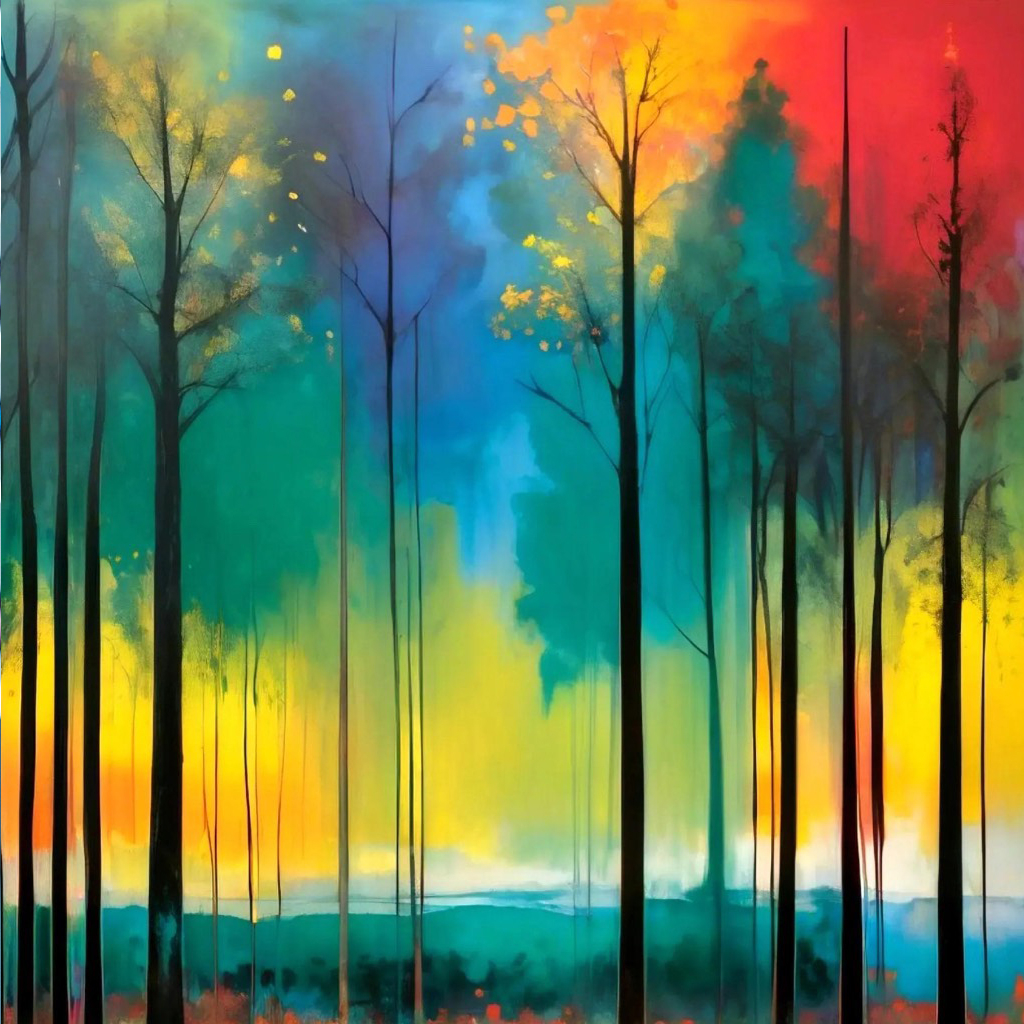
Art and AI are colliding at a moment when creativity is becoming easier to automate and harder to recognize. In the rising noise of generated images, songs, scripts, and simulations, an artist’s real survival skill is not mastering every new tool that appears, but finding a voice that cannot be mass-produced.
AI systems now produce paintings, music, films, and entire visual worlds in seconds. What we once called “content” has become an endless stream where novelty is cheap and style can be imitated on demand. At the same time, many artists are using these same systems as collaborators rather than replacements, exploring ideas faster, prototyping concepts, and building multimedia projects that would have been impossible alone. The technology expands the canvas, but it also floods it.
In this saturated ecosystem it is easy to disappear into presets and trends. When everyone has access to the same models, prompts, and viral aesthetics, work can blur into a polished but anonymous surface. The danger is not that AI replaces artists, but that artists begin to imitate the machine’s idea of what art should be, chasing engagement instead of insight. Over time, the messy, specific edges that make human creativity compelling start to smooth out. The work becomes efficient, impressive, and forgettable.
Finding a true voice in this context is less about style and more about stance. It is how you see the world, what details you notice, what you refuse to look away from, and what themes keep returning no matter the medium. A true voice lives in the questions you ask your tools, the stories you choose to center, the risks you take without guarantees, and the imperfections you decide to keep. It becomes the quiet through-line that connects a photograph to a melody to a short film so they feel like they came from the same mind, not the same software.
Working with AI without becoming indistinguishable from it requires treating it as an instrument rather than a ghostwriter. Use it to draft, distort, and expand possibilities, but reserve final decisions for human taste, ethics, and emotion. Build constraints. Feed it your own archives. Choose a direction before the algorithm chooses one for you. Speed is useful, but intention is what gives speed meaning.
Paradoxically, the more capable AI becomes, the more valuable deeply human art will be. Work grounded in lived experience, cultural memory, vulnerability, humor, and contradiction stands out precisely because it does not feel optimized. In a feed full of frictionless, machine-smoothed images and sounds, the pieces that linger are the ones that could not have come from anyone, or anything, else. The task is not to outproduce the machines, but to out-honest them.
This is where quieter habits begin to matter more than louder platforms. The sketch that never gets posted. The half-finished melody saved at two in the morning. The photograph taken not for likes but because the light hit a wall in a way that felt like a memory tapping your shoulder. These are not inefficient detours. They are compost. Algorithms reward consistency of output. A human voice grows through consistency of attention.
There is also a cultural depth machines can reference but never inhabit. The difference between quoting a philosophy and living with it. Between sampling an aesthetic and understanding the seasons that shaped it. A tool can remix symbols endlessly, but it cannot sit in silence, watch rain trace slow paths down glass, or feel the weight of time between two similar moments years apart. Those textures enter the work whether the artist plans them or not. They are fingerprints made of experience rather than style.
For most creators, the future is neither rejection nor surrender, but rhythm. Use the machine for bursts of speed, iteration, and widening the search space. Then step away and ask slower questions. Does this still sound like me. Would I stand by this if no one saw it. Is this clever, or is it true. The answers rarely arrive instantly, which is exactly why they matter.
Art has always been a negotiation between tools and intention. Oil paint once felt disruptive. Cameras once threatened painters. Synthesizers once worried guitarists. Each time the medium expanded, and the voices that endured were not the ones who mastered every new device first, but the ones who knew why they were making something in the first place. AI is another instrument entering the orchestra. Loud, fast, impressive. But it still needs a composer, and more importantly, someone willing to leave a few imperfect notes so the music sounds like it came from a living hand rather than a flawless machine.
Author’s Note
I wrote this while drinking coffee that went cold because I forgot it existed, which feels appropriate for an article about machines that never forget anything. AI can generate ten thousand sunsets in a minute, but it still cannot smell rain, misplace its keys, or look at the same photograph years later and feel like a different person is staring back. That gap is where art continues to live. Not in perfection or speed, but in small human glitches. The pauses. The second thoughts. The accidental brilliance that happens because we are inconsistent creatures with memory leaks and emotional buffering issues. If a machine ever leaves its coffee untouched because it got lost in an idea, then I will start to worry. Until then, I am comfortable sharing the studio.
Leave a Reply